Does A Car Repo Hurt Your Credit?
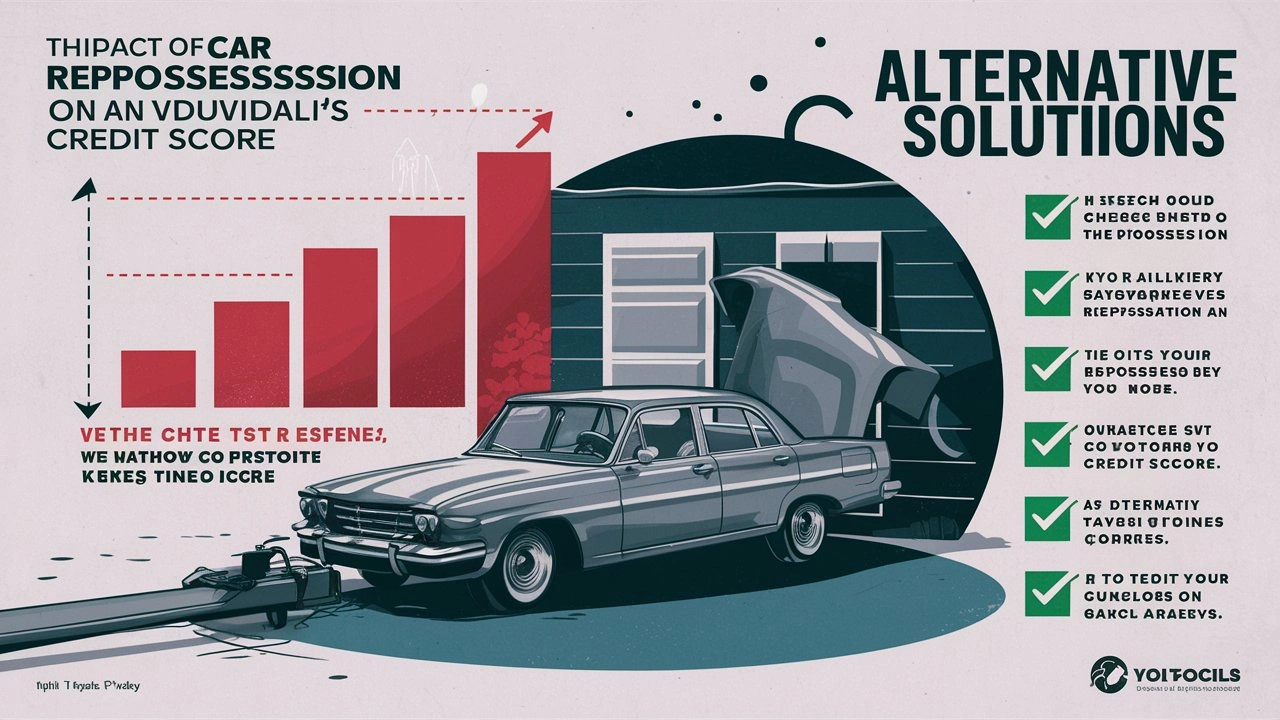
A car repossession is a serious financial event that undeniably impacts your credit score. This article will comprehensively explain the extent of this damage, how it affects your financial future, and what steps you can take to mitigate the fallout and rebuild your creditworthiness.
What is a Car Repo and Why Does it Happen?
A car repossession, or "repo," occurs when a borrower fails to make their car loan payments as agreed upon in the loan contract. The lender, holding a lien on the vehicle as collateral, has the legal right to reclaim the car to recoup their losses. This is a common consequence of defaulting on secured loans, where the asset itself serves as security for the debt. Lenders typically initiate repossession after a borrower misses a certain number of payments, often outlined in the loan agreement. While the exact number of missed payments before repossession can vary, it's usually after 30 to 90 days of delinquency. The process itself can be swift and may happen without prior notice, though some states require specific notification periods.
The primary reason for repossession is the borrower's inability or unwillingness to meet their financial obligations. This can stem from a variety of circumstances, including:
- Job loss or significant reduction in income
- Unexpected medical expenses
- Divorce or separation
- Poor financial management
- Overextending on debt
- Natural disasters or accidents that render the vehicle unusable
Understanding the trigger for repossession is the first step in comprehending its impact. It signifies a breakdown in the borrower-lender relationship and a failure to uphold a contractual agreement, which directly translates into negative consequences for the borrower's financial standing.
How Does a Car Repo Hurt Your Credit Score?
The short answer is: significantly. A car repossession is one of the most damaging events that can occur on your credit report. It signals to future lenders that you are a high-risk borrower, someone who has failed to meet a significant financial obligation. This failure is not a minor infraction; it's a clear indication of financial instability and a lack of reliability in managing debt. The impact is multifaceted, affecting various components of your credit score and making it considerably harder to obtain new credit, secure housing, or even get certain types of employment.
Credit scoring models, such as FICO and VantageScore, are designed to assess the likelihood of a borrower repaying debt. A repossession is a glaring red flag that directly contradicts this assessment. It demonstrates a severe delinquency and a complete default on a loan agreement. This makes it challenging for lenders to trust you with future credit, as your past behavior suggests a higher probability of default. The damage isn't just immediate; it can linger on your credit report for up to seven years, influencing your financial opportunities throughout that period and beyond.
The Specifics of Credit Score Damage
The severity of the credit score damage from a car repossession is substantial. While it's difficult to pinpoint an exact number of points lost, as it depends on your credit profile before the repo, experts estimate a drop of anywhere from 50 to 150 points or more. This is a considerable percentage of your overall score, especially if you had a good or excellent credit score prior to the repossession. For instance, someone with a score of 750 might see it plummet to 600 or lower. This drop can move you from "excellent" or "good" credit tiers into the "fair" or "poor" categories, dramatically altering your borrowing landscape.
The damage is not solely about the score itself but also about how the repossession is reported. It's a public record of default, a serious negative mark that lenders cannot ignore. This negative information will be visible to anyone who pulls your credit report, including mortgage lenders, auto loan providers, credit card companies, landlords, and even potential employers in some industries. The persistence of this negative mark means that even if you start making all your payments on time immediately after the repo, the impact will still be felt for a considerable duration.
What Appears on Your Credit Report After a Repo?
When a car is repossessed, it's not just the vehicle that's gone; the event is meticulously documented on your credit report. Here's what you can expect to see:
- Repossession Notation: The most direct entry will be a clear notation indicating that the vehicle was repossessed due to default. This is usually listed under the loan account details.
- Charge-Off: After repossessing the vehicle, the lender will typically sell it, often at an auction. If the sale price doesn't cover the outstanding loan balance, the remaining debt is considered a "charge-off." This means the lender has written off the debt as a loss. A charge-off is a very serious negative mark on your credit report.
- Deficiency Balance: If there's a deficiency balance (the difference between what you owed and what the car sold for), this amount will be reported. You are still legally obligated to pay this balance, and it will appear as an outstanding debt. If you don't pay it, it can lead to further collections activity and legal action.
- Collection Accounts: If the deficiency balance is sold to a debt collector, it will appear as a separate collection account on your credit report. This can lead to multiple inquiries and increased negative reporting.
- Late Payment History: The loan account itself will show a history of late payments leading up to the repossession, which are already damaging to your score.
These entries paint a picture of financial irresponsibility to any entity reviewing your credit history. The combination of these notations makes it incredibly difficult to secure new credit or favorable terms.
Key Credit Score Factors Affected by Repossession
Credit scores are calculated based on several key factors. A car repossession negatively impacts multiple of these, amplifying the damage:
- Payment History (35% of FICO score): This is the most critical factor. A repossession signifies a severe lapse in payment history, directly and drastically lowering this component of your score. It's a clear indicator of non-payment.
- Amounts Owed (30% of FICO score): The deficiency balance, if any, contributes to your overall debt burden. High amounts owed relative to your credit limit (credit utilization) are detrimental, and a deficiency balance exacerbates this.
- Length of Credit History (15% of FICO score): While not directly reduced, the presence of a major negative event like a repo can overshadow a long positive credit history.
- New Credit (10% of FICO score): After a repo, applying for new credit will likely result in denials, which can further lower your score due to multiple hard inquiries.
- Credit Mix (10% of FICO score): While less direct, a repo can limit your ability to maintain a healthy mix of credit types, as lenders may be hesitant to approve you for new loans or credit cards.
The sheer weight of the payment history factor means that a repossession will have an immediate and profound impact on your creditworthiness.
The Timeline of Credit Damage
The impact of a car repossession isn't a fleeting event; it's a long-term consequence that affects your credit for years. Here's a general timeline:
- Immediate Impact: As soon as the repossession is reported to the credit bureaus (which usually happens within 30-60 days of the event), your credit score will likely drop significantly. The late payments leading up to the repo will already be on your report, and the repossession notation is a severe addition.
- Ongoing Impact (1-3 years): During this period, the repossession remains a prominent negative item on your credit report. You'll likely face higher interest rates on any credit you can obtain, or outright denials for new credit. Lenders view you as a high-risk borrower.
- Diminishing Impact (3-7 years): While still present, the negative impact begins to lessen slightly as time passes. Newer, positive credit activity can start to outweigh the older negative mark. However, it will still be visible and influence lending decisions.
- Removal from Report (7 years): By law, most negative information, including repossessions, can remain on your credit report for up to seven years from the date of the delinquency. After seven years, it should be automatically removed by the credit bureaus. However, the memory of it might linger in the minds of some lenders, especially for significant financial products like mortgages.
It's crucial to understand that while the report might be clean after seven years, the financial habits that led to the repo need to be addressed to prevent future issues. Some lenders might still consider the history, especially if you're seeking large loans.
Long-Term Consequences of a Car Repo
Beyond the immediate credit score drop, a car repossession can have far-reaching and lasting consequences that affect various aspects of your life:
- Difficulty Securing Future Loans: This is the most obvious consequence. Getting approved for a new car loan, mortgage, personal loan, or even a credit card will be significantly harder. When you are approved, expect much higher interest rates, meaning you'll pay substantially more over the life of the loan. For example, a car loan that might have been 5% APR before a repo could be 15% or higher afterward.
- Higher Insurance Premiums: Insurance companies often view individuals with a history of repossession as higher risks. This can lead to increased auto insurance premiums, even for vehicles you own outright or finance with a new, higher-interest loan.
- Challenges with Renting an Apartment: Many landlords run credit checks on prospective tenants. A repossession can lead to a denial of your rental application or require you to pay a larger security deposit, sometimes several months' rent in advance.
- Employment Hurdles: In certain industries, particularly those involving financial responsibility or handling sensitive information, employers may conduct credit checks. A repossession can be a red flag, potentially costing you job opportunities.
- Limited Access to Utilities and Services: Some utility companies (electricity, gas, water) and mobile phone providers may require a security deposit from individuals with poor credit history, as they see them as a greater risk of non-payment.
- Emotional and Psychological Stress: The financial strain, the loss of a necessary mode of transportation, and the ongoing stigma of a repossession can take a significant toll on your mental and emotional well-being.
These long-term consequences underscore the importance of understanding the gravity of a car repossession and taking proactive steps to mitigate its impact and prevent future occurrences.
The Deficiency Balance and its Repercussions
One of the most critical, and often misunderstood, aspects of a car repossession is the deficiency balance. When the lender sells your repossessed vehicle, they are obligated to apply the proceeds from the sale to your outstanding loan balance. However, due to depreciation, the car's resale value is almost always less than the amount you still owe. The difference between the outstanding loan balance and the net proceeds from the sale is the deficiency balance.
Example: You owe $15,000 on your car loan. The lender repossesses the car and sells it at auction for $10,000. The deficiency balance is $5,000 ($15,000 - $10,000). You are legally responsible for paying this $5,000, plus any costs associated with the repossession and sale (towing fees, auction fees, legal costs, etc.).
Legal Obligation: This deficiency balance is still a debt you owe. If you don't pay it, the lender can sue you to collect. If they win a judgment against you, they can pursue further collection actions, such as garnishing your wages, levying your bank accounts, or placing a lien on other property you own. This can lead to even more severe financial distress and further damage to your credit score.
Reporting: The deficiency balance will be reported on your credit report, often as a charge-off or a collection account, depending on whether the original lender or a debt collector is pursuing it. This adds another layer of negative information to your credit file, making it even harder to recover financially.
It is imperative to understand the terms of your loan agreement regarding deficiency balances and to communicate with your lender as soon as possible if you anticipate difficulty making payments. Ignoring the deficiency balance will only lead to more significant problems down the line.
Rebuilding Your Credit After a Car Repossession
While a car repossession is a severe setback, it is not the end of your credit journey. Rebuilding your credit takes time, discipline, and a strategic approach. Here are actionable steps to take:
1. Address the Deficiency Balance
If there is a deficiency balance, tackling it is paramount. Ignoring it will lead to further collections and legal actions, compounding the damage. Contact the lender or collection agency to understand the exact amount owed and explore payment options. You may be able to negotiate a settlement for a lump sum (often less than the full amount) or arrange a payment plan. Even making consistent, albeit small, payments can demonstrate good faith and begin to improve your situation.
2. Obtain a Copy of Your Credit Report
Get copies of your credit reports from all three major bureaus (Equifax, Experian, and TransUnion) at AnnualCreditReport.com. Review them carefully for accuracy. If you find any errors related to the repossession or other accounts, dispute them immediately with the credit bureaus. Accurate reporting is essential for rebuilding.
3. Make All Payments On Time, Every Time
This is the single most important factor in rebuilding credit. For any existing accounts you have, ensure you pay at least the minimum amount due by the due date. For new credit you acquire, treat every payment as critical. Payment history accounts for the largest portion of your credit score, so demonstrating consistent on-time payments is key to recovery.
4. Consider Secured Credit Cards
Secured credit cards require a cash deposit that typically becomes your credit limit. This deposit acts as collateral for the lender, making them less risky to approve you. Use the card for small, everyday purchases and pay the balance in full each month. This demonstrates responsible credit usage and helps build a positive payment history. Over time, responsible use of a secured card can lead to an upgrade to an unsecured card.
5. Explore Credit-Builder Loans
Some credit unions and community banks offer credit-builder loans. You make payments on the loan, but the loan amount is held in a savings account until you've paid it off. The lender then reports your on-time payments to the credit bureaus, helping to build your credit history. This is a safe way to establish a positive payment record.
6. Become an Authorized User (with caution)
If you have a trusted friend or family member with excellent credit, they might be willing to add you as an authorized user on their credit card. Their positive payment history can then appear on your credit report. However, ensure the primary cardholder is responsible, as their negative activity could also impact you. This strategy should be used cautiously and with open communication.
7. Be Patient and Persistent
Rebuilding credit after a major negative event like a repossession takes time. Don't expect overnight results. Focus on consistent, responsible financial behavior. As you continue to make on-time payments and manage your credit wisely, your score will gradually improve. The seven-year mark for the repo's removal from your report is a significant milestone, but positive habits built during that time will serve you well long after.
How to Prevent a Car Repossession in the First Place
The best strategy for dealing with a car repossession is to avoid it altogether. If you're struggling to make payments or foresee difficulties, taking proactive steps can make a significant difference:
1. Communicate with Your Lender Immediately
This is the most crucial step. If you know you're going to miss a payment or are already behind, contact your lender *before* the due date. Explain your situation honestly. Lenders are often willing to work with borrowers who communicate proactively. They may offer options such as:
- Forbearance: Temporarily pausing or reducing your payments.
- Loan Modification: Changing the terms of your loan, such as extending the repayment period (which may increase the total interest paid but lower monthly payments).
- Payment Deferral: Allowing you to skip a payment and add it to the end of your loan term.
Don't wait until you've missed multiple payments; the more proactive you are, the more options you'll have.
2. Create and Stick to a Budget
Understand where your money is going. Track your income and expenses to identify areas where you can cut back. Prioritize essential bills like your car payment. A detailed budget can help you allocate funds effectively and prevent overspending, ensuring you have enough for your loan obligations.
3. Build an Emergency Fund
An emergency fund is a savings account specifically for unexpected expenses, such as job loss, medical bills, or car repairs. Having 3-6 months of living expenses saved can prevent you from falling behind on loan payments when life throws you a curveball. Even saving a small amount consistently can make a difference.
4. Explore Refinancing Options
If your car loan has a high interest rate and your credit has improved since you took out the loan, you might be able to refinance it with a new lender at a lower rate. This can reduce your monthly payments and make the loan more manageable. However, be aware of any fees associated with refinancing.
5. Consider Selling the Car Voluntarily
If you're significantly struggling with payments and the car's value is close to or exceeds what you owe, selling it voluntarily might be a better option than waiting for repossession. You can use the proceeds to pay off the loan (or a significant portion of it) and avoid the additional fees and credit damage associated with a repo. You could then explore more affordable transportation options.
6. Avoid Taking on Too Much Debt
Before taking out a car loan, ensure you can comfortably afford the monthly payments, insurance, fuel, and maintenance. Avoid stretching your budget too thin. It's often wiser to buy a less expensive vehicle that fits your budget than to overextend yourself on a car you can't afford long-term.
By implementing these preventative measures, you can significantly reduce the risk of facing a car repossession and the devastating impact it has on your credit and financial future.
Conclusion: Understanding and Overcoming the Impact
A car repossession undeniably inflicts substantial damage on your credit score, acting as a significant red flag for future lenders. The immediate score drop, coupled with the persistent negative reporting on your credit file for up to seven years, can lead to higher interest rates, loan denials, increased insurance premiums, and challenges in securing housing. The deficiency balance, if applicable, adds another layer of financial burden and legal risk. However, understanding the severity of this impact is the first step towards recovery. By diligently addressing any outstanding balances, monitoring your credit reports, making all payments on time, and strategically using tools like secured credit cards and credit-builder loans, you can gradually rebuild your creditworthiness. Proactive communication with lenders and sound financial planning are key to preventing repossession in the first place. While the road to recovery may be long, it is achievable with discipline, patience, and a commitment to responsible financial management.
Related Stories

Recent Posts
Does Closing a Checking Account Affect Your Credit Score? Here’s the Truth
Is a Home Equity Loan a Second Mortgage? The Definitive 2025 Guide
Which Credit Score is Most Accurate? FICO vs VantageScore
Does Closing a Checking Account Affect Credit Score? – Complete Guide for Consumers
Credit Captain Reviews (2025): Is It Legit, Safe, and Worth It?