Is 606 a Good Credit Score? Understanding the Importance of Your Credit Rating
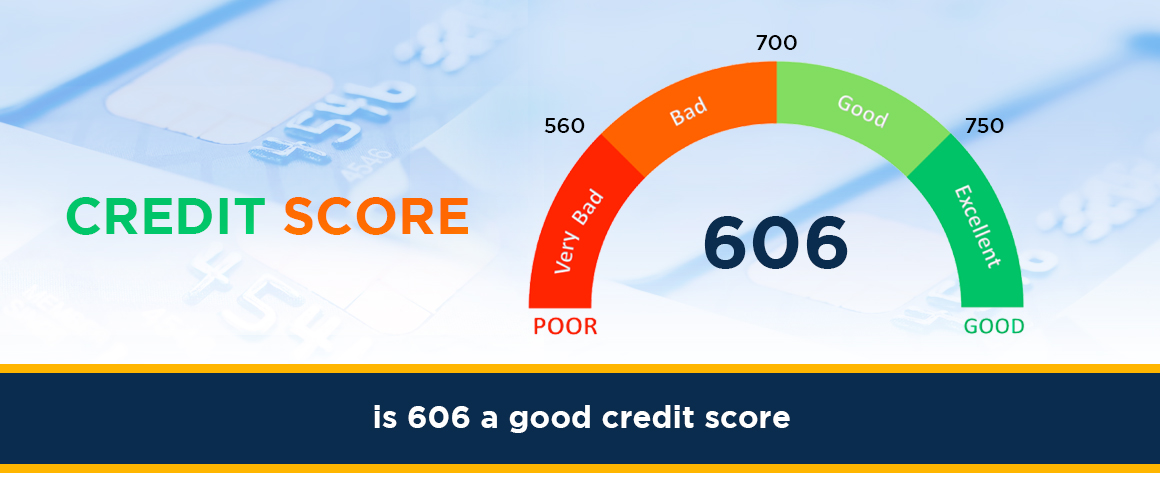
A credit score of 606 falls into the "fair" category, indicating room for improvement but not necessarily disqualifying you from all financial opportunities. Understanding its implications and how to enhance it is crucial for achieving your financial goals in 2025.
What is a Credit Score?
A credit score is a three-digit number that lenders use to assess your creditworthiness, essentially predicting how likely you are to repay borrowed money. It's a snapshot of your financial behavior, compiled from information in your credit reports maintained by the three major credit bureaus: Equifax, Experian, and TransUnion. These scores are dynamic, meaning they can change over time based on your financial habits. In 2025, credit scores continue to be a cornerstone of financial decision-making for a wide array of institutions, from banks and credit card companies to landlords and even some employers.
The most widely used credit scoring model is FICO, which typically ranges from 300 to 850. Another popular model is the VantageScore, which also ranges from 300 to 850. While the exact algorithms differ slightly, they both aim to provide a consistent and objective measure of credit risk. A higher score generally signifies a lower risk to lenders, leading to more favorable loan terms, lower interest rates, and easier approval for credit products. Conversely, a lower score can make it challenging to secure credit, and when approved, it often comes with higher costs and stricter conditions.
Understanding your credit score is more than just knowing a number; it's about understanding the narrative of your financial past and present. It reflects your history of managing debt, paying bills, and your overall relationship with credit. This information is vital for lenders to make informed decisions about extending credit, as it helps them gauge the potential risk associated with lending you money. In essence, your credit score acts as your financial reputation in the lending world.
Understanding Credit Score Ranges
Credit scores are not monolithic; they are categorized into different ranges, each representing a different level of credit risk. While the exact cutoffs can vary slightly between FICO and VantageScore, and even between different lenders using these models, there's a general consensus on what constitutes "excellent," "good," "fair," and "poor" credit. Understanding these ranges is the first step in evaluating your own score and setting realistic goals for improvement.
Here's a typical breakdown of credit score ranges as of 2025:
| Credit Score Range | Category | Implication |
|---|---|---|
| 800-850 | Exceptional | Excellent credit. Likely to receive the best loan terms and interest rates. |
| 740-799 | Very Good | Strong credit. Usually qualifies for competitive rates and terms. |
| 670-739 | Good | Above average. Generally qualifies for most loans with good terms. |
| 580-669 | Fair | Below average. May face higher interest rates or require a co-signer. |
| 300-579 | Poor | High risk. Difficult to obtain credit, often with very high interest rates or denial. |
It's important to note that these are general guidelines. Some lenders might have slightly different thresholds. For instance, a score of 660 might be considered "good" by one lender but "fair" by another. The specific type of credit product also plays a role; mortgage lenders, for example, often have slightly different criteria than credit card issuers.
The "Fair" category, which includes scores between approximately 580 and 669, is a crucial segment. Individuals in this range are often on the cusp of more favorable credit opportunities. They may have experienced some financial setbacks but have also demonstrated some positive credit behaviors. The key for this group is to focus on consistent, positive actions to move into the "Good" or "Very Good" categories.
The "Poor" category, typically below 580, signifies significant credit risk. Lenders see individuals in this range as highly likely to default on loans. Obtaining credit here is challenging and usually involves substantial risk premiums for the lender, which translate to very high interest rates and fees for the borrower.
Understanding where you fall within these ranges empowers you to understand the current landscape of your creditworthiness and to strategize effectively for improvement. It’s also worth noting that credit scoring models are continuously updated to reflect current economic conditions and lending practices, so staying informed about the latest trends is beneficial.
Is 606 a Good Credit Score?
So, is 606 a good credit score? In the context of the typical credit score ranges, a 606 falls squarely into the Fair category. This means it's not considered "good" or "excellent," but it's also not in the "poor" or "very poor" territory. Think of it as a score that indicates you have some credit challenges or a limited credit history, but you're not necessarily a high-risk borrower. It suggests that while you've likely made some credit mistakes or haven't built a robust credit profile, there's a clear path forward to improvement.
For many lenders, a 606 score might be on the lower end of what they consider acceptable for standard loan products. This means you might be approved for loans or credit cards, but likely at higher interest rates than someone with a "good" or "excellent" score. You might also face stricter terms, such as requiring a larger down payment, a co-signer, or a lower credit limit. In some cases, you might be denied for certain types of credit altogether, particularly for prime mortgage loans or premium credit cards.
However, it's not all negative. A 606 score is significantly better than a score in the 300-579 range. It shows that you haven't completely damaged your credit history. Many lenders offer products specifically designed for individuals with fair credit. These can be a stepping stone to rebuilding your creditworthiness. The key takeaway is that a 606 score is a signal that improvement is needed and possible. It's a score that requires attention and a strategic approach to financial management.
The perception of a 606 score can also depend on the specific lender and the type of credit being sought. For example, a subprime auto lender might consider a 606 to be a decent score, while a prime mortgage lender would likely view it as too low. It's essential to understand that your score is a guide, not an absolute barrier. Many financial institutions recognize that credit scores fluctuate and are willing to look at the broader picture, including your income, employment history, and the specifics of your credit report.
In summary, while 606 isn't a "good" score by most standards, it's a score that offers hope and a clear direction for improvement. It signifies that you are in a position to actively work towards a better financial future and unlock more favorable credit opportunities.
Factors That Influence Your Credit Score
Your credit score isn't a random number; it's the result of several key factors that are meticulously analyzed by credit scoring models. Understanding these factors is crucial for knowing what actions will positively or negatively impact your score, especially when you're aiming to improve from a 606. The FICO model, for instance, breaks down the influence of these factors into five main categories:
1. Payment History (Approximately 35% of score)
This is the most critical component of your credit score. It reflects whether you pay your bills on time. Late payments, missed payments, defaults, bankruptcies, and collections can all significantly damage your score. Even a single 30-day late payment can have a noticeable negative effect, and longer delinquencies (60, 90 days or more) are even more detrimental. For a 606 score, it's highly probable that payment history has been a significant contributing factor to its current level, perhaps due to past late payments or missed obligations.
2. Amounts Owed (credit utilization) (Approximately 30% of score)
This factor looks at how much credit you're using compared to your total available credit. This is known as your credit utilization ratio (CUR). Ideally, you want to keep your CUR low, generally below 30%. A high CUR, meaning you're using a large portion of your available credit, can signal to lenders that you might be overextended and at a higher risk of defaulting. If you have a 606 score, it's possible you have a high CUR on one or more of your credit cards.
Example: If you have a credit card with a $10,000 limit and you owe $7,000 on it, your CUR is 70%. This is considered high and can negatively impact your score. If you only owe $2,000, your CUR is 20%, which is much better.
3. Length of Credit History (Approximately 15% of score)
This factor considers the age of your oldest credit account, the age of your newest credit account, and the average age of all your accounts. A longer credit history generally works in your favor, as it provides lenders with more data to assess your long-term credit management habits. If you have a newer credit file or have closed older accounts, this might be a reason your score isn't higher, even if your payment history is generally good.
4. Credit Mix (New Credit) (Approximately 10% of score)
This refers to the variety of credit accounts you have, such as credit cards, installment loans (like mortgages or auto loans), and retail accounts. Having a mix of different credit types can be beneficial, as it shows you can manage various forms of debt responsibly. However, it's not worth opening new accounts just to diversify your credit mix if you don't need them, as this can also be a negative factor (see below).
5. New Credit (Approximately 10% of score)
This factor considers how many new credit accounts you've opened recently and how many hard inquiries you have on your credit report. Opening several new accounts in a short period can signal increased credit risk, as can multiple hard inquiries (which occur when you apply for credit). It's generally advisable to space out credit applications.
For someone with a 606 credit score, a deep dive into each of these factors is essential. Often, a combination of issues contributes to a score in this range. For instance, a history of late payments might be compounded by a high credit utilization ratio. By identifying which of these factors are weighing down your score the most, you can create a targeted strategy for improvement.
It's also important to remember that credit scoring models are proprietary and complex. While these percentages provide a general idea of importance, the exact weight of each factor can vary slightly. The most effective way to understand what's affecting your score is to obtain a copy of your credit report from each of the three major bureaus and review it carefully. Many services offer free credit reports annually, and some credit card companies provide free credit score monitoring.
The Impact of a 606 Credit Score
A 606 credit score, while not dire, can have a tangible impact on your financial life in 2025. Lenders view this score as indicating a moderate to high risk, which translates into specific challenges and consequences when you seek credit or other financial services.
Loan and Credit Card Approvals
Mortgages: Securing a traditional mortgage with a 606 score can be difficult. While some lenders, particularly those offering FHA loans, may accept scores in this range, you'll likely face higher interest rates, requiring a larger down payment, and potentially stricter loan terms. Conventional loans from prime lenders are often out of reach with this score.
Auto Loans: Similar to mortgages, auto loan approvals with a 606 score are possible, but expect higher interest rates. This means your monthly car payments will be significantly higher over the life of the loan. Dealership financing often has options for fair credit, but they come at a premium.
Personal Loans: Approval for unsecured personal loans will be challenging. If approved, the interest rates will likely be very high, making them an expensive option for borrowing money.
Credit Cards: You might qualify for "secured" credit cards (requiring a cash deposit) or "rebuilding" credit cards. These often have low credit limits and high annual fees or interest rates. Premium rewards cards or cards with 0% introductory APR offers will likely be unattainable.
Interest Rates and Fees
This is arguably the most significant impact of a 606 credit score. Higher interest rates mean you pay more for borrowing money over time. For example, a 5% difference in interest rate on a $20,000 car loan over five years can cost you thousands of dollars extra.
Example:
| Credit Score | Estimated Interest Rate (Auto Loan) | Estimated Monthly Payment (for a $20,000 loan, 5 years) | Total Interest Paid |
|---|---|---|---|
| 750+ (Excellent) | 4.0% | $368 | $2,080 |
| 606 (Fair) | 9.0% | $415 | $4,900 |
(Note: These are illustrative figures for 2025 and actual rates will vary.)
Beyond interest rates, lenders may also charge higher origination fees or require larger security deposits for utilities or rental agreements.
Rental Applications
Landlords often check credit scores as part of the tenant screening process. A 606 score might lead to rejection from desirable rental properties or require you to pay a larger security deposit or have a co-signer on the lease. Some landlords may view this score as an indicator of potential payment issues.
Insurance Premiums
In many states, insurance companies use credit-based insurance scores to help determine premiums for auto and homeowners insurance. A lower credit score, like 606, can result in higher insurance premiums because studies suggest a correlation between credit behavior and the likelihood of filing claims. This is an indirect but significant cost associated with a lower credit score.
Employment Opportunities
While not as common as for loan applications, some employers, particularly those in financial services or positions involving handling money or sensitive data, may review credit reports as part of their background checks. A low credit score might raise concerns about an applicant's responsibility and trustworthiness.
The impact of a 606 credit score is multifaceted, affecting not just your ability to borrow but also the cost of borrowing and your access to essential services. Recognizing these impacts is the first step toward taking proactive measures to improve your financial standing.
How to Improve a 606 Credit Score
Improving a 606 credit score requires a consistent and strategic approach. Since this score falls into the "fair" category, it means you're not starting from scratch, but you do need to demonstrate responsible credit behavior to move into the "good" or "very good" ranges. Here’s a step-by-step guide for 2025:
Step 1: Obtain and Review Your Credit Reports
Before you can fix issues, you need to know what they are. You are entitled to a free copy of your credit report from each of the three major bureaus (Equifax, Experian, TransUnion) every 12 months at AnnualCreditReport.com. Scrutinize each report for errors, such as incorrect personal information, accounts that don't belong to you, or inaccurate payment statuses. Dispute any inaccuracies immediately with the credit bureau and the creditor.
Step 2: Prioritize On-Time Payments
Payment history is the most significant factor in your credit score. To improve from a 606, you must ensure every single bill is paid on time going forward. Set up automatic payments or calendar reminders for all your bills, including credit cards, loans, rent, and utilities. Even a single 30-day late payment can undo months of progress.
If you have past-due accounts, bring them current as soon as possible. While the late payment will remain on your report for seven years, stopping further delinquency is crucial.
Step 3: Reduce Your Credit Utilization Ratio (CUR)
Aim to lower your CUR to below 30%, and ideally below 10%, for each credit card and across all your cards combined.
- Pay Down Balances: Focus on paying down the balances of your credit cards. Prioritize cards with the highest interest rates (the "debt avalanche" method) or cards with the highest utilization first (the "debt snowball" method).
- Request a Credit Limit Increase: If you have a good payment history with a particular card issuer, you can request a credit limit increase. If approved, this will lower your CUR without you having to pay down debt immediately, assuming your spending remains the same. Be aware that some issuers may perform a hard inquiry for this, which can temporarily lower your score slightly.
- Avoid Maxing Out Cards: Never carry balances close to your credit limit.
Step 4: Avoid Opening New Credit Accounts Unnecessarily
While a diverse credit mix can help, opening too many new accounts in a short period can hurt your score. Each application typically results in a hard inquiry, and new accounts lower the average age of your credit history. Focus on managing your existing accounts responsibly first.
Step 5: Consider a Secured Credit Card or Credit-Builder Loan
If you have limited credit history or significant negative marks, a secured credit card can be an excellent tool. You provide a cash deposit, which becomes your credit limit. Use it for small, everyday purchases and pay the balance in full each month. Similarly, a credit-builder loan from a credit union or community bank can help establish a positive payment history.
Step 6: Be Patient and Consistent
Credit repair is not an overnight process. It takes time and consistent effort to see significant improvements. A 606 score can often be improved to the "good" range (670+) within 6-18 months of diligent effort, depending on the severity of the issues and your commitment to positive financial habits. Monitor your credit score regularly to track your progress.
Step 7: Consider Professional Help (Cautiously)
If you find the process overwhelming or have complex credit issues, consider reputable credit counseling agencies. Be wary of credit repair companies that promise quick fixes or charge exorbitant upfront fees; many are scams. Non-profit credit counseling agencies are often a safer bet.
By diligently following these steps, you can systematically address the factors affecting your 606 credit score and build a stronger financial foundation for the future.
Alternatives for Those with a 606 Credit Score
While the goal is always to improve your credit score, sometimes you need access to credit or financial products sooner rather than later. For individuals with a 606 credit score, several alternatives and strategies can help bridge the gap until their score improves.
Secured Loans and Credit Cards
As mentioned, secured credit cards are a primary tool. They require a cash deposit that acts as collateral, significantly reducing the lender's risk. This makes them accessible even with a fair credit score. Similarly, secured personal loans or auto loans are available. These are backed by collateral (like savings accounts, CDs, or your vehicle), making them easier to obtain and often offering lower interest rates than unsecured options.
Co-signer or Guarantor
If you're applying for a loan or credit card and your score is a concern, asking a trusted friend or family member with excellent credit to co-sign can significantly increase your chances of approval. A co-signer agrees to be legally responsible for the debt if you fail to pay. This can help you secure better terms, but it also puts the co-signer's credit at risk if you default. Ensure you understand the commitment involved.
Credit Unions
Credit unions are member-owned financial cooperatives that often have more flexible lending criteria than traditional banks. They may be more willing to work with members who have fair credit, especially if you have a history of responsible banking with them. They often offer credit-builder loans and secured credit cards designed to help members improve their credit.
Rent-to-Own Programs
For larger purchases like furniture or appliances, rent-to-own agreements can be an option. While these typically come with higher overall costs than purchasing outright or with financing, they don't typically require a credit check. However, it's crucial to read the contract carefully and understand the total cost involved.
Buy Here, Pay Here (BHPH) Auto Dealerships
These dealerships offer in-house financing, meaning they handle the loan themselves rather than selling it to a third party. They are known for working with buyers who have poor or no credit. However, BHPH loans often come with very high interest rates and shorter repayment terms, making them a costly option. It's essential to explore all other avenues before resorting to BHPH, and if you do, ensure you can manage the payments.
Peer-to-Peer (P2P) Lending Platforms
Some P2P lending platforms may offer options for borrowers with fair credit. These platforms connect borrowers directly with individual investors. Approval and interest rates will depend on the platform's algorithms and the risk profile of the borrower, but it can sometimes be an alternative to traditional lenders.
Focus on Building a Positive Payment History
Even if you can't get approved for traditional credit products, you can still build positive credit history.
- Reported Rent Payments: Services like RentReporters or LevelCredit can report your on-time rent payments to credit bureaus, which can help boost your score over time.
- Utility Payments: Some services can also report on-time utility payments.
While these alternatives can provide access to necessary goods and services, it's vital to view them as temporary solutions. The ultimate goal should always be to improve your credit score through responsible financial management. Using these alternatives wisely, while simultaneously working on improving your credit, can set you on a path to greater financial freedom.
The Long-Term Benefits of a Higher Credit Score
Improving your credit score from a 606 to a "good" or "excellent" range unlocks a multitude of long-term financial benefits that extend far beyond simply qualifying for a loan. Investing time and effort into credit repair is an investment in your financial future, offering advantages that compound over years.
Lower Borrowing Costs
This is the most immediate and significant benefit. As your credit score increases, lenders see you as less risky. This translates directly into lower interest rates on mortgages, auto loans, personal loans, and credit cards. Over the life of a mortgage or a car loan, even a 1-2% reduction in interest rate can save you tens of thousands of dollars. This saved money can be used for investments, savings, or other financial goals.
Easier Access to Credit and Better Terms
A higher credit score opens doors to a wider range of financial products. You'll qualify for premium rewards credit cards, better loan options, and potentially larger credit limits. This provides more flexibility and financial power. You'll also find it easier to get approved for rental properties, and you might avoid higher security deposits or fees.
Improved Insurance Rates
As previously mentioned, many insurance companies use credit-based insurance scores. A higher credit score can lead to significantly lower premiums for auto and homeowners insurance, saving you money year after year. This is because statistical data suggests that individuals with better credit management tend to file fewer claims.
Greater Financial Flexibility and Peace of Mind
Knowing you have a strong credit score provides a sense of security. It means you're better prepared for financial emergencies, such as unexpected job loss or medical bills. You'll have access to emergency funds through credit lines or loans at reasonable rates, avoiding predatory lenders or high-interest payday loans.
Enhanced Opportunities
Beyond traditional lending, a good credit score can influence other aspects of your life. Some employers may view it as a sign of responsibility. It can also be a factor in securing certain types of leases or even in some business ventures. Essentially, a strong credit score enhances your overall financial reputation and can unlock opportunities that might otherwise be unavailable.
Building Wealth
By saving money on interest payments and insurance premiums, and by having access to favorable loan terms for investments like real estate, a higher credit score indirectly contributes to wealth building. The money saved can be reinvested, allowing your assets to grow more effectively over time.
The journey from a 606 credit score to a higher one is a testament to responsible financial behavior. It demonstrates to lenders, and to yourself, that you are a reliable borrower. The long-term benefits are substantial, offering greater financial freedom, reduced costs, and enhanced opportunities throughout your life. It's a foundational element of a healthy financial life in 2025 and beyond.
In conclusion, while a 606 credit score is categorized as "fair" and presents certain challenges, it is far from a dead end. It signifies a need for focused attention on credit management, but also indicates that positive change is achievable. By understanding the factors that influence your score, diligently working to improve your payment history and credit utilization, and exploring available alternatives, you can systematically raise your score. The long-term rewards—lower borrowing costs, greater financial flexibility, and enhanced opportunities—make the effort to improve your credit score a worthwhile endeavor for a more secure and prosperous financial future.
Related Stories

Recent Posts
Does Closing a Checking Account Affect Your Credit Score? Here’s the Truth
Is a Home Equity Loan a Second Mortgage? The Definitive 2025 Guide
Which Credit Score is Most Accurate? FICO vs VantageScore
Does Closing a Checking Account Affect Credit Score? – Complete Guide for Consumers
Credit Captain Reviews (2025): Is It Legit, Safe, and Worth It?