Is 664 a Good Credit Score? Exploring Its Importance and Effects
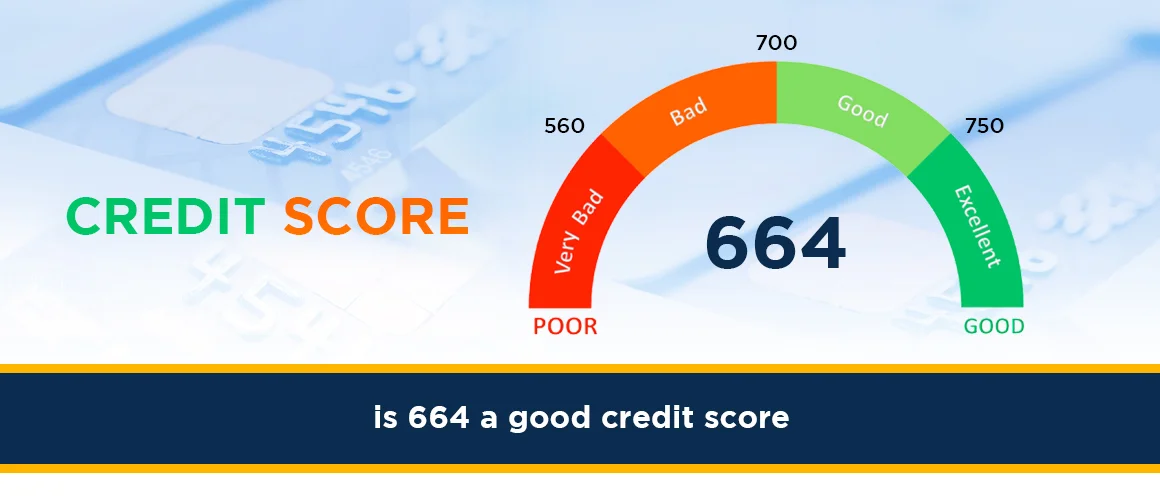
Understanding a 664 Credit Score: Is It Good?
A 664 credit score sits in a crucial zone, often considered fair or good, but not quite excellent. This score can influence your ability to secure loans, rent an apartment, and even affect insurance premiums. Understanding its implications is key to making informed financial decisions.
Credit Score Ranges Explained
Credit scores are numerical representations of your creditworthiness, typically ranging from 300 to 850. Lenders use these scores to assess the risk associated with lending money to you. While different scoring models exist (like FICO and VantageScore), they generally categorize scores into broad ranges. Understanding where a 664 falls within these ranges provides immediate context.
FICO Score Ranges (Commonly Used)
The FICO score model is widely used by lenders. Here's a general breakdown of its ranges as of 2025:
- Exceptional: 800-850
- Very Good: 740-799
- Good: 670-739
- Fair: 580-669
- Poor: 300-579
VantageScore Ranges (Another Popular Model)
VantageScore, developed by the three major credit bureaus, offers a slightly different categorization:
- Excellent: 781-850
- Good: 661-780
- Fair: 601-660
- Poor: 500-600
- Very Poor: 300-499
Based on these common models, a 664 credit score typically falls into the "Fair" category for FICO and the lower end of the "Good" category for VantageScore. This means while you're not in deep trouble, you're also not in the prime position for the best financial products and terms. It's a score that indicates some positive credit habits but also suggests areas for improvement.
What Does a "Fair" or "Lower Good" Score Mean?
A score in the 664 range signifies that you have a credit history, but it might contain some blemishes or a lack of extensive positive activity. This could include factors like:
- A history of late payments, even if they are older.
- High credit utilization ratios (using a large portion of your available credit).
- A relatively short credit history.
- A limited number of credit accounts.
- Recent inquiries for new credit.
- Public records like bankruptcies or collections (though these would typically lower a score more significantly).
Lenders view a 664 score as carrying a moderate level of risk. They are more likely to approve applications compared to someone with a score below 580, but they will likely offer less favorable interest rates and terms. It's a score that requires careful consideration of your financial goals and a proactive approach to management.
The Importance of a 664 Credit Score
The significance of a 664 credit score lies in its ability to unlock certain financial opportunities while simultaneously presenting challenges. It's a threshold score that can mean the difference between getting approved for a loan with manageable payments or facing rejection or significantly higher costs. Understanding its importance requires looking at its direct impact on various financial aspects of your life.
Impact on Loan Approvals
For major loans like mortgages, auto loans, and personal loans, a 664 score is often at the lower end of what lenders consider acceptable for standard approval. While some lenders might approve applications with this score, the interest rates offered will likely be higher than those for individuals with scores in the 700s or above. This means you'll pay more in interest over the life of the loan.
Renting Apartments
Landlords frequently check credit scores as part of the tenant screening process. A 664 score might be sufficient for some landlords, but others may have higher minimum requirements. If approved, you might be asked for a larger security deposit or a co-signer to mitigate their perceived risk. This can add an upfront financial burden.
Insurance Premiums
In many states, insurance companies use credit-based insurance scores to help determine premiums for auto and homeowners insurance. A score of 664 could lead to higher insurance costs compared to someone with a better credit score. This is because studies have shown a correlation between credit behavior and the likelihood of filing insurance claims.
Utility Services and Mobile Phone Plans
When setting up new utility services (electricity, gas, water) or mobile phone plans, companies often check your credit. A 664 score might mean you have to pay a security deposit to avoid service interruption or to get a new phone on a payment plan. This deposit is typically refundable once you demonstrate consistent payment behavior.
Employment Opportunities
Certain employers, particularly those in financial services or positions involving handling sensitive information or assets, may conduct credit checks as part of their background screening. While a 664 score isn't usually a deal-breaker, it could be a factor if other candidates have stronger credit profiles.
The "Good Enough" vs. "Ideal" Dilemma
A 664 score is often in the "good enough" category for some basic financial needs, but it's far from ideal. The "ideal" score range (typically 740+) unlocks the best interest rates, lower fees, and greater flexibility in financial product choices. The difference in cost between a loan approved at a 664 score versus a 740+ score can be substantial, amounting to thousands of dollars over time.
For instance, consider a $30,000 auto loan over five years. A borrower with a 664 score might qualify for an 8% interest rate, resulting in approximately $6,500 in interest. A borrower with a 740 score might secure a 4% interest rate, leading to about $3,200 in interest. That's a difference of over $3,000 simply due to the credit score.
Therefore, while a 664 score isn't a complete barrier, recognizing its limitations is the first step toward improving it and accessing better financial outcomes. It signifies a need for strategic financial management and a commitment to building a more robust credit history.
How a 664 Score Affects Loan Approvals and Rates
The direct impact of a 664 credit score on loan applications is one of the most significant concerns for individuals in this score range. Lenders use credit scores as a primary tool to gauge risk, and a 664 score places you in a category where approvals are possible but often come with less favorable terms. Let's delve into the specifics of how this score influences different types of loans and the associated interest rates.
Mortgage Loans
Securing a mortgage with a 664 credit score can be challenging, especially for conventional loans. While some lenders may approve FHA loans (Federal Housing Administration) for borrowers with scores as low as 580 (with a 3.5% down payment) or even lower in some cases, conventional loans typically require higher scores. For a conventional mortgage, a 664 score often means:
- Higher Interest Rates: You'll likely be offered rates significantly higher than the market average for borrowers with excellent credit. For example, a 0.5% to 1.5% difference in interest rate on a 30-year mortgage can translate to tens of thousands of dollars more in interest paid over the loan's life.
- Larger Down Payment Requirements: Lenders might request a larger down payment to offset their increased risk.
- Private Mortgage Insurance (PMI): If your down payment is less than 20%, you'll typically need PMI. With a 664 score, your PMI costs could be higher than for someone with a better credit score.
- Limited Lender Options: Not all lenders will work with scores in the 664 range, narrowing your choices and potentially reducing your negotiation power.
Example: A $250,000 mortgage at 6.5% interest (with a 664 score) over 30 years results in monthly payments of approximately $1,580 and total interest paid of around $318,800. If the same loan were secured at 5.5% (with a 740+ score), monthly payments would be about $1,419, with total interest paid of roughly $260,800 – a saving of over $58,000.
Auto Loans
Auto loan approvals are more accessible with a 664 score than mortgages, but the interest rates can still be substantial. Many subprime lenders specialize in working with borrowers in this range, but they charge higher rates to compensate for the risk. Expect interest rates to be several percentage points higher than those offered to borrowers with excellent credit.
- Higher Monthly Payments: This directly translates to higher monthly car payments.
- Shorter Loan Terms: Some lenders might offer shorter repayment terms, which can increase monthly payments even further.
- Limited Vehicle Choices: You might be restricted to older or less desirable vehicles if financing options are limited.
Example: A $20,000 auto loan for 60 months. At 8% interest (typical for a 664 score), the monthly payment is around $405, with total interest of $4,300. At 4% interest (for a good score), the monthly payment is about $368, with total interest of $2,080 – a difference of over $2,200.
Personal Loans
Personal loans are often unsecured, meaning they don't require collateral. This makes lenders more risk-averse, and a 664 score can significantly impact your ability to get approved and the interest rate you'll receive.
- Higher APRs: Interest rates on personal loans for borrowers with a 664 score can range from 15% to 30% or even higher, depending on the lender and loan amount.
- Lower Loan Amounts: Lenders may limit the amount you can borrow.
- Stricter Eligibility Criteria: You might need to meet other criteria, such as a steady income and employment history, to be approved.
Example: A $10,000 personal loan over three years. At 20% APR (common for a 664 score), the monthly payment is around $383, with total interest of $3,788. At 10% APR (for a good score), the monthly payment is about $323, with total interest of $1,628 – a difference of over $2,100.
Credit Cards
Securing premium rewards credit cards with 0% introductory APR offers or high credit limits can be difficult with a 664 score. You're more likely to qualify for:
- Secured Credit Cards: These require a cash deposit that usually equals your credit limit.
- Store Credit Cards: Often easier to get but typically come with very high interest rates.
- Standard Unsecured Cards: These may have lower credit limits and higher APRs compared to cards for excellent credit.
The APR on a credit card with a 664 score can be well over 20%, making carrying a balance very expensive. This underscores the importance of paying off credit card balances in full each month, regardless of your score.
The Role of Other Factors
It's crucial to remember that credit score is not the only factor lenders consider. Your debt-to-income ratio (DTI), employment history, income stability, and the overall economic climate also play significant roles. However, a 664 score puts you at a disadvantage in all these areas, as lenders may be more conservative in their assessments.
In summary, a 664 credit score means you can likely access credit, but at a higher cost. The difference in interest paid can be substantial, impacting your overall financial health. This highlights the compelling need to take steps to improve your score.
Strategies to Improve a 664 Credit Score
Improving a 664 credit score requires a consistent and strategic approach to credit management. While it might not be an overnight transformation, implementing the right habits can lead to significant gains over time. The key is to address the factors that most heavily influence your credit score: payment history, credit utilization, length of credit history, credit mix, and new credit.
1. Pay All Bills On Time, Every Time
Payment history is the single most important factor in your credit score, accounting for about 35% of your FICO score. Even a single late payment can have a detrimental effect.
- Set Up Autopay: For recurring bills like credit cards, loans, and utilities, set up automatic payments from your bank account to ensure you never miss a due date.
- Use Calendar Reminders: If autopay isn't feasible or you prefer manual payment, set up calendar alerts a few days before the due date.
- Contact Lenders If You Foresee a Problem: If you know you'll have trouble making a payment, contact your lender immediately. They may be willing to offer a temporary solution, which is far better than a missed payment.
2. Reduce Your Credit Utilization Ratio (CUR)
Credit utilization refers to the amount of credit you're using compared to your total available credit. Aim to keep your CUR below 30%, and ideally below 10%, for the best impact on your score. This factor accounts for about 30% of your FICO score.
- Pay Down Balances: Focus on paying down the balances on your credit cards, especially those with high utilization.
- Make Multiple Payments: If possible, make payments more than once a month. For example, pay half the balance mid-month and the other half before the due date. This can help keep your reported balance lower.
- Request a Credit Limit Increase: If you have a good payment history with a particular card issuer, you can request a credit limit increase. This will lower your utilization ratio, assuming you don't increase your spending. Be aware that some issuers may perform a hard inquiry for this, which can temporarily lower your score.
- Avoid Maxing Out Cards: Never max out your credit cards. This signals high risk to lenders.
Example: If you have a credit card with a $5,000 limit and a $4,000 balance, your utilization is 80%. If you pay it down to $1,500, your utilization drops to 30%, which is much better for your score.
3. Keep Old Accounts Open
The length of your credit history is another significant factor (about 15% of your FICO score). Older, well-managed accounts demonstrate a longer track record of responsible credit use.
- Don't Close Unused Cards: Unless an old card has an exorbitant annual fee you can't justify, keep it open.
- Use Them Periodically: To prevent the issuer from closing the account due to inactivity, make a small purchase on the card every few months and pay it off immediately.
4. Diversify Your Credit Mix
Having a mix of different types of credit (e.g., credit cards, installment loans like mortgages or auto loans) can positively impact your score (about 10% of your FICO score). However, this is generally a less impactful factor, and you shouldn't open new accounts solely to improve your credit mix.
- Focus on Existing Credit: If you already have a mix, focus on managing it well.
- Consider Carefully: If you need a loan for a specific purpose (like a car), that can naturally add to your credit mix. Don't take out unnecessary loans just for the mix.
5. Be Mindful of New Credit Applications
Applying for new credit can lead to hard inquiries on your credit report, which can slightly lower your score temporarily (about 10% of your FICO score). Multiple applications in a short period can be a red flag.
- Apply Only When Necessary: Only apply for credit when you genuinely need it.
- Space Out Applications: If you need to apply for multiple credit products, try to space out your applications over several months.
- Rate Shopping: For mortgages and auto loans, lenders often allow a "rate shopping" window (typically 14-45 days, depending on the scoring model) where multiple inquiries for the same type of loan are treated as a single inquiry.
6. Monitor Your Credit Reports
Regularly checking your credit reports from Equifax, Experian, and TransUnion is crucial for identifying errors or fraudulent activity that could be negatively impacting your score.
- AnnualCreditReport.com: You are entitled to one free credit report from each of the three bureaus annually at AnnualCreditReport.com.
- Dispute Errors: If you find any inaccuracies, dispute them immediately with the credit bureau and the creditor. This process can take time but is essential for ensuring your score accurately reflects your credit history.
7. Consider a Secured Credit Card or Credit-Builder Loan
If you have a limited credit history or a damaged one, these tools can help you build positive credit.
- Secured Credit Card: You provide a cash deposit, which becomes your credit limit. Use it for small purchases and pay it off in full each month.
- Credit-Builder Loan: You make payments on a loan that is held in an account by the lender. Once you've paid it off, you receive the money. Your on-time payments are reported to credit bureaus.
8. Avoid Debt Consolidation Scams
Be wary of companies promising quick fixes or guaranteed credit score increases. Legitimate credit counseling services can help, but avoid those that charge high upfront fees for services that sound too good to be true.
By diligently implementing these strategies, you can systematically improve your credit score from 664 towards the "good" and "very good" ranges, unlocking better financial opportunities and saving money on interest in the long run.
Alternatives When a 664 Score Isn't Enough
While a 664 credit score is a stepping stone, there are instances where it might not meet the minimum requirements for certain loans, rental agreements, or other financial products. In these situations, exploring alternative options can be crucial to achieving your goals. These alternatives often involve mitigating the perceived risk for the lender or landlord.
For Mortgage and Renting
If a 664 score prevents you from getting a mortgage or renting an apartment, consider these options:
- Co-signer or Guarantor: Enlisting a trusted individual with a strong credit history to co-sign your loan or lease agreement can significantly improve your chances of approval. The co-signer agrees to be responsible for the debt if you fail to pay. This is a significant commitment for the co-signer, so ensure they understand the risks involved.
- Larger Down Payment/Security Deposit: Offering a larger down payment on a mortgage or a more substantial security deposit for a rental can demonstrate your commitment and reduce the lender's or landlord's risk. This shows you have more financial stake in the transaction.
- FHA Loans (for Mortgages): As mentioned earlier, FHA loans are designed for borrowers with lower credit scores. They often have more flexible requirements regarding credit history and down payments.
- Rent-to-Own Agreements: In some rental markets, rent-to-own agreements might be available. These allow you to rent a property with the option to buy it later. A portion of your rent may go towards the down payment.
- Alternative Renting Platforms: Some newer platforms are emerging that focus on alternative data beyond traditional credit scores, such as rent payment history or income verification, to assess rental applications.
For Auto Loans
If you're struggling to get approved for an auto loan with a 664 score, or if the rates are too high, consider:
- Buy Here, Pay Here (BHPH) Dealerships: These dealerships offer in-house financing. They often have more lenient credit requirements but typically charge very high interest rates and may have stricter terms. Use these as a last resort and be sure to understand all the terms.
- Secured Auto Loans: While less common, some lenders might offer secured auto loans where the vehicle itself serves as collateral. This can sometimes lead to better terms than unsecured options.
- Borrowing from Family or Friends: If you have a supportive network, borrowing money from family or friends for a car purchase can be an option. Ensure you have a clear, written agreement outlining repayment terms to avoid misunderstandings.
For Personal Loans and Credit Cards
When a 664 score limits your options for unsecured loans or standard credit cards:
- Secured Personal Loans: Similar to secured auto loans, these require collateral (like savings accounts or certificates of deposit) to back the loan. This can lead to lower interest rates and higher approval chances.
- Credit Union Loans: Credit unions are member-owned financial institutions and may offer more flexible lending options and better rates than traditional banks, especially for members with a 664 score.
- Secured Credit Cards: As previously discussed, these are excellent tools for building credit. They require a deposit but function like a regular credit card.
- Co-branded Store Cards: While often having high APRs, some store credit cards might be more accessible than general-purpose credit cards for individuals with fair credit. Use these cautiously and pay balances in full.
General Strategies
- Build a Stronger Relationship with Your Bank: If you have a long-standing, positive relationship with your current bank or credit union, they may be more willing to work with you, even with a 664 score.
- Improve Your Debt-to-Income Ratio (DTI): Reducing your overall debt load can make you a more attractive borrower. Lenders look at how much of your monthly income is already committed to debt payments.
- Wait and Improve Your Score: Sometimes, the best alternative is to take a little more time to improve your credit score before applying for the desired product. Focusing on the strategies mentioned in the previous section can pay dividends.
Exploring these alternatives requires careful consideration of the terms and conditions. While they can provide solutions when a 664 score is insufficient, it's crucial to understand the associated costs and risks. The ultimate goal should always be to improve your creditworthiness over time to access the most favorable financial products and rates.
The Long-Term Perspective: Building a Stronger Financial Future
A 664 credit score is not a permanent financial destination; it's a waypoint. While it presents immediate challenges and limitations, it also serves as a powerful motivator for long-term financial growth. Shifting your perspective from merely managing a 664 score to actively building a stronger financial future is essential for unlocking greater opportunities and achieving your life goals.
The Compounding Benefits of a Higher Score
The impact of a credit score extends far beyond just loan interest rates. As your score climbs into the "good" (700+) and "very good" (740+) ranges, you'll experience a cascade of positive effects:
- Significant Savings on Borrowing: The most immediate benefit is access to lower interest rates on mortgages, auto loans, and personal loans. Over decades, these savings can amount to tens or even hundreds of thousands of dollars, freeing up capital for investments, savings, or discretionary spending.
- Easier Access to Premium Financial Products: You'll qualify for credit cards with better rewards programs, 0% introductory APR offers, and higher credit limits. This can provide more flexibility and value in your daily spending and financial planning.
- Improved Rental Opportunities: Landlords are more likely to approve applications from individuals with excellent credit, often without requiring large security deposits or co-signers.
- Lower Insurance Premiums: As discussed, a better credit score can lead to lower insurance rates, saving you money on essential coverage.
- Greater Financial Flexibility and Peace of Mind: A strong credit profile provides a safety net. It makes it easier to navigate unexpected expenses, pursue opportunities, and generally feel more secure about your financial standing.
Cultivating Sustainable Financial Habits
Building a strong financial future is not just about numbers; it's about cultivating habits that support long-term financial health. For someone with a 664 score, this means focusing on:
- Budgeting and Financial Planning: Understanding where your money goes is fundamental. Creating and sticking to a budget helps you manage expenses, allocate funds for debt repayment, and save for future goals.
- Emergency Fund Development: An emergency fund acts as a buffer against unexpected events like job loss or medical emergencies. Having 3-6 months of living expenses saved can prevent you from relying on high-interest debt when life throws a curveball.
- Consistent Saving and Investing: Beyond managing debt, actively saving and investing for retirement and other long-term goals is crucial. Even small, consistent contributions can grow significantly over time due to compounding.
- Financial Literacy: Continuously educating yourself about personal finance, investing, and credit management will empower you to make smarter decisions and adapt to changing economic landscapes.
The Journey from 664 to Excellence
The journey from a 664 credit score to a score in the excellent range is a marathon, not a sprint. It requires patience, discipline, and a commitment to consistent positive financial behavior. Each on-time payment, each reduction in credit utilization, and each year of responsible credit management contributes to building a more robust and resilient financial profile.
Consider the long-term impact of improving your score. If you can raise your score by 70-100 points over a few years, the financial benefits you'll reap over the next 10, 20, or 30 years on major purchases like a home or car will be substantial. This makes the effort to improve your credit score one of the most impactful financial decisions you can make.
Ultimately, a 664 credit score is a signal that your credit practices are acceptable but could be significantly improved. By understanding its implications, actively working to address its weaknesses, and exploring alternatives when necessary, you set yourself on a path toward a stronger, more secure financial future. The goal is not just to get approved, but to thrive financially, and a higher credit score is a vital tool in achieving that objective.
Conclusion:
In conclusion, a 664 credit score is generally considered to be in the "fair" to lower "good" range, depending on the scoring model. While it's not a score that will grant you the absolute best financial terms, it's also not a score that severely limits your access to credit. The primary impact of a 664 score is that it often leads to higher interest rates on loans and potentially more scrutiny from lenders and landlords. However, this score is a strong indicator that with focused effort, significant improvement is achievable. By consistently paying bills on time, reducing credit utilization, and managing new credit responsibly, individuals can steadily climb towards the "good" and "excellent" credit score tiers. Exploring alternatives like co-signers or secured credit products can provide immediate solutions when a 664 score falls short. Ultimately, viewing a 664 credit score as a catalyst for positive change, rather than a permanent limitation, is the key to unlocking a more favorable financial future with substantial long-term savings and opportunities.
Related Stories

Recent Posts
Does Closing a Checking Account Affect Your Credit Score? Here’s the Truth
Is a Home Equity Loan a Second Mortgage? The Definitive 2025 Guide
Which Credit Score is Most Accurate? FICO vs VantageScore
Does Closing a Checking Account Affect Credit Score? – Complete Guide for Consumers
Credit Captain Reviews (2025): Is It Legit, Safe, and Worth It?