Is 676 a Good Credit Score? A Comprehensive Guide
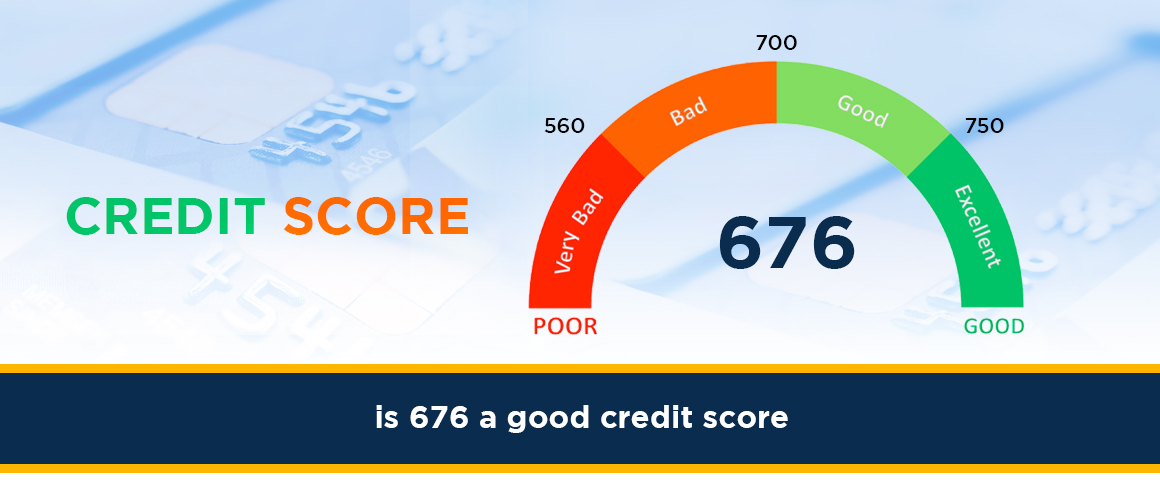
Understanding your credit score is crucial for financial well-being. A score of 676 falls into a specific range, and this guide will comprehensively break down what it means, its implications, and how to improve it, ensuring you have all the knowledge to make informed financial decisions in 2025.
Understanding Credit Scores: The Basics
Before diving into the specifics of a 676 credit score, it's essential to grasp the fundamental concept of credit scores. A credit score is a three-digit number that lenders use to assess your creditworthiness – essentially, how likely you are to repay borrowed money. This score is calculated by credit bureaus, such as Equifax, Experian, and TransUnion, based on the information in your credit reports. These reports detail your borrowing and repayment history, including credit cards, loans, mortgages, and other forms of credit. The most widely used scoring model is the FICO score, though VantageScore is also gaining traction. Both models aim to predict the risk a lender takes when extending credit to an individual.
The accuracy and completeness of your credit report are paramount. Errors can significantly impact your score, leading to unfair rejections or higher interest rates. Regularly reviewing your credit reports from all three major bureaus is a critical step in maintaining good financial health. In 2025, the emphasis on data privacy and accuracy continues to grow, making it even more important for consumers to be vigilant about their credit information.
Your credit score acts as a financial fingerprint, offering a snapshot of your financial behavior over time. It influences not only your ability to get loans but also the terms of those loans, including interest rates, down payment requirements, and even your ability to rent an apartment or secure certain types of employment. Understanding this foundational element is the first step toward managing your finances effectively.
Is 676 a Good Credit Score? The Verdict
So, is a 676 credit score considered good? The direct answer is that a 676 credit score generally falls into the "fair" or "average" category. While it's not considered "poor," it's also not "good" or "excellent." This means that while you might be approved for some forms of credit, you'll likely face higher interest rates and more stringent terms compared to individuals with higher scores. Lenders view a 676 score as indicating a moderate level of risk. It suggests that you have a credit history, but there may be some past issues or a limited credit history that prevents your score from reaching higher tiers.
In the competitive lending landscape of 2025, lenders are increasingly sophisticated in their risk assessment. A 676 score can be a hurdle for obtaining the most favorable loan terms, such as low-interest mortgages, competitive auto loans, or premium credit card offers. However, it's a score that is definitely improvable. The good news is that with focused effort and strategic financial habits, you can significantly boost your credit score over time.
The implications of a 676 score are multifaceted. It can affect your ability to secure a new credit card with a high credit limit and rewards, qualify for a personal loan without a co-signer, or get approved for a rental property. Understanding these limitations is the first step toward setting realistic financial goals and developing a plan to achieve them. It's a score that signifies you're on the right track, but there's still significant room for growth.
Credit Score Ranges and What They Mean in 2025
Credit scoring models, like FICO and VantageScore, categorize scores into different ranges to help consumers and lenders understand creditworthiness at a glance. These ranges provide a benchmark against which a 676 score can be better understood. While the exact cutoffs can vary slightly between scoring models and lenders, the general tiers are consistent. Here's a breakdown of typical credit score ranges and what they signify in 2025:
| Score Range | Category | Implications |
|---|---|---|
| 800-850 | Exceptional | Best interest rates, premium credit cards, highest approval odds. Lenders see minimal risk. |
| 740-799 | Very Good | Excellent chance of approval for most credit products with competitive terms. |
| 670-739 | Good | Good chance of approval for most credit products, often with favorable interest rates. |
| 580-669 | Fair | Approval is possible but often with higher interest rates and less favorable terms. May require a co-signer. |
| 300-579 | Poor | Difficult to obtain credit. High risk for lenders, leading to frequent rejections or very high costs. |
As you can see, a 676 credit score sits at the cusp of the "good" and "fair" categories, depending on the specific model and lender. Many lenders consider scores of 670 and above to be within the "good" range, which is a positive sign. However, it's crucial to recognize that the higher end of the "good" range (e.g., 700+) typically unlocks better opportunities. For instance, a score of 740 or above is often the threshold for the best mortgage rates. In 2025, the financial markets are dynamic, and even a few points can make a difference in the cost of borrowing over the life of a loan.
Therefore, while 676 is not a score to be overly concerned about, it's certainly a score that indicates potential for improvement. The goal should be to consistently move upwards into the "very good" and "exceptional" categories to maximize your financial flexibility and savings. Understanding these ranges helps set realistic expectations and motivates the pursuit of better credit habits.
Factors Influencing Your Credit Score
Your credit score isn't a random number; it's a reflection of your financial behavior, meticulously calculated based on several key factors. Understanding these components is vital for knowing how to improve your 676 score and maintain a healthy credit profile. The FICO scoring model, which is the most prevalent, weighs five primary categories:
1. Payment History (Approximately 35% of your score)
This is the single most influential factor. It reflects whether you pay your bills on time. Late payments, missed payments, defaults, bankruptcies, and collections can significantly damage your score. Conversely, a consistent history of on-time payments is the bedrock of a good credit score. Even a single 30-day late payment can have a noticeable negative impact.
2. Amounts Owed (credit utilization) (Approximately 30% of your score)
This factor looks at how much credit you're using compared to your total available credit. This is known as your credit utilization ratio. Keeping this ratio low, ideally below 30%, is crucial. For example, if you have a credit card with a $10,000 limit and you owe $5,000, your utilization is 50%, which can negatively affect your score. A lower utilization signals to lenders that you're not over-reliant on credit.
3. Length of Credit History (Approximately 15% of your score)
This considers the age of your oldest credit account, the age of your newest credit account, and the average age of all your accounts. A longer credit history generally indicates more experience managing credit, which can be beneficial. Therefore, it's often advisable to keep older, well-managed accounts open, even if you don't use them frequently.
4. Credit Mix (New Credit) (Approximately 10% of your score)
This refers to the variety of credit accounts you have, such as credit cards, installment loans (like mortgages or auto loans), and personal loans. Having a mix of different credit types can be positive, as it shows you can manage various forms of credit responsibly. However, this factor is less impactful than payment history or credit utilization.
5. New Credit (Approximately 10% of your score)
This category considers how many new credit accounts you've opened recently and how many hard inquiries (when a lender checks your credit for a loan application) are on your report. Opening too many new accounts in a short period or having numerous hard inquiries can signal increased risk to lenders and may temporarily lower your score.
For someone with a 676 score, it's likely that one or more of these factors are not as strong as they could be. Perhaps there have been a few late payments, or the credit utilization ratio is too high. Identifying which of these areas needs the most attention is the first step toward developing an effective improvement strategy. In 2025, with increased data analytics, lenders are even more attuned to these subtle indicators of financial responsibility.
How a 676 Score Impacts Borrowing and Financial Opportunities
A credit score of 676, while not dire, does present certain limitations and affects various aspects of your financial life. Understanding these impacts can help you prioritize your efforts to improve your score. In 2025, the landscape of lending is competitive, and even a "fair" score can mean the difference between securing a deal and being passed over or paying significantly more.
Mortgage Applications
Securing a mortgage with a 676 credit score is possible, but it's often at the higher end of what many conventional lenders will approve. You might be looking at interest rates that are substantially higher than those offered to borrowers with scores in the "good" or "very good" ranges. This difference in interest rates can translate into tens of thousands of dollars more paid over the life of a 30-year mortgage. Some government-backed loans, like FHA loans, may have more lenient credit score requirements, but they often come with higher mortgage insurance premiums.
Auto Loans
Getting approved for an auto loan with a 676 score is generally feasible. However, expect higher interest rates compared to borrowers with excellent credit. This means your monthly car payments will be higher, and the total cost of the vehicle will increase due to the added interest. Dealers might also offer fewer financing options or require a larger down payment.
Credit Cards
While you can likely get approved for some credit cards with a 676 score, you'll probably be excluded from premium rewards cards, balance transfer offers with 0% introductory APRs, and cards with very high credit limits. You might qualify for secured credit cards or cards designed for individuals with fair credit, which often come with lower credit limits and potentially higher annual fees or interest rates.
Personal Loans
Personal loans can be harder to obtain with a 676 score, especially unsecured ones. If approved, the interest rates will likely be higher, making the loan more expensive. Lenders may also require a co-signer with a better credit history to mitigate their risk.
Renting Apartments
Landlords frequently check credit scores as part of the tenant screening process. A 676 score might be acceptable for some rentals, but others may have higher minimum score requirements. In competitive rental markets, a lower score could lead to your application being rejected in favor of applicants with stronger credit profiles.
Insurance Premiums
In many states, insurance companies use credit-based insurance scores to help determine premiums for auto and homeowners insurance. A lower credit score can sometimes lead to higher insurance rates, as it's statistically correlated with a higher likelihood of filing claims.
In summary, a 676 credit score means you're not automatically disqualified from many financial opportunities, but you will likely face higher costs and more restrictions. The key takeaway is that improving your score can unlock significant savings and greater financial freedom. For example, increasing your score by just 30-40 points could potentially save you thousands on a mortgage or auto loan.
Strategies to Improve a 676 Credit Score
Improving a 676 credit score requires a strategic and consistent approach. The good news is that by focusing on the key factors that influence your score, you can make significant progress. Here are actionable strategies to boost your creditworthiness in 2025:
1. Master Your Payment History
Pay all bills on time, every time. This is the most critical step. Set up automatic payments for minimum amounts due to avoid missing deadlines. If you've had late payments in the past, focus on maintaining a perfect payment record going forward. For any past-due accounts, work to bring them current as quickly as possible.
Address collections accounts. If you have accounts in collections, try to negotiate a "pay for delete" agreement with the collection agency, though this is not always possible. Even if not, paying off or settling a collection account can eventually improve your score, though the negative mark will remain for a period.
2. Reduce Your Credit Utilization Ratio
Pay down credit card balances. Aim to keep your credit utilization ratio below 30%, and ideally below 10%, for each card and overall. If you have high balances, focus on paying them down aggressively. Prioritize paying off cards with the highest interest rates first (the "avalanche method") or those with the smallest balances to gain quick wins (the "snowball method").
Request credit limit increases. On existing credit cards, you can request a higher credit limit. If approved, and you maintain your spending habits, your utilization ratio will automatically decrease. Be cautious not to increase your spending just because your limit is higher.
Avoid closing old, unused credit cards. Closing an account reduces your total available credit, which can increase your utilization ratio and negatively impact your score, especially if it's your oldest account.
3. Build a Longer Credit History
Keep older accounts open. As mentioned, older accounts contribute positively to the length of your credit history. Unless there's a compelling reason (like a high annual fee on a card you don't use), keep them open and in good standing.
Be patient. Building a long credit history takes time. Focus on consistent, positive behavior, and your score will naturally improve as your accounts age.
4. Manage New Credit Wisely
Limit new credit applications. Only apply for credit when you truly need it. Each application can result in a hard inquiry, which can slightly lower your score. Spreading out applications over time is beneficial.
Understand shopping for credit. When shopping for certain types of loans (like mortgages or auto loans), credit scoring models often allow for a "rate shopping" period where multiple inquiries within a short timeframe (usually 14-45 days) are treated as a single inquiry. This is to encourage consumers to find the best rates without penalty.
5. Consider Credit-Building Tools
Secured credit cards. If you're struggling to get approved for unsecured credit, a secured credit card can be a great starting point. You provide a cash deposit that becomes your credit limit, and responsible use of this card is reported to the credit bureaus.
Credit-builder loans. These are small loans designed to help you build credit. The loan amount is held in an account while you make payments, and once the loan is paid off, you receive the money. The payments are reported to the credit bureaus.
Rent and utility reporting services. Some services allow you to report your on-time rent and utility payments to credit bureaus. While not a primary factor, this can add positive data to your credit report.
Implementing these strategies consistently will help move your 676 score into the "good" and "very good" categories. It's a journey, not a race, and the most important thing is to establish and maintain healthy financial habits.
Building Positive Credit History from Scratch or Rebuilding
Whether you're starting with a limited credit history or working to recover from past financial mistakes, building a positive credit history is fundamental to achieving a good credit score. For individuals with a 676 score, it often means shoring up existing credit or strategically adding to it. For those with no credit history, the principles are similar but require a more foundational approach.
For Those Rebuilding (Similar to 676 Score):
Focus on the "Big Three": As discussed, payment history and credit utilization are paramount. For a 676 score, the immediate goal is to eliminate late payments and significantly reduce balances on revolving credit (credit cards). If there are negative marks like collections or charge-offs, addressing them, even if partially, can help over time. Lenders prefer to see that you're actively managing your debt, even if there were past issues.
Strategic Use of Credit: Instead of avoiding credit altogether, use it responsibly. For example, if you have a credit card with a low balance, use it for small, recurring purchases (like a streaming service subscription) and pay it off in full each month. This demonstrates consistent, positive activity without increasing your debt.
Monitor Your Progress: Regularly check your credit reports and scores. This helps you identify any errors, track your improvement, and understand the impact of your actions. Many credit card companies and financial institutions offer free credit score monitoring services.
For Those Starting from Scratch (No or Thin Credit File):
Secured Credit Cards: This is often the best first step. You deposit money with the bank, which then issues you a credit card with a limit equal to your deposit. Use this card for small purchases and pay the balance in full every month. This builds a payment history and shows responsible credit management.
Credit-Builder Loans: These are specifically designed for individuals with no credit history. You make payments on the loan, which is typically held in a savings account. Once the loan is fully repaid, you receive the money. The key is that your on-time payments are reported to the credit bureaus, establishing a positive payment history.
Become an Authorized User: If you have a trusted family member or friend with excellent credit, they can add you as an authorized user on their credit card. Their positive payment history and low utilization on that card can then be reflected on your credit report. However, be aware that if the primary cardholder mismanages the account, it can negatively impact your credit.
Co-signer on a Loan: If you need to take out a loan, having a co-signer with good credit can help you get approved. The co-signer is equally responsible for the debt. If you make all payments on time, this can help build your credit. However, if you default, it will severely damage both your credit and your co-signer's.
Student Credit Cards: If you are a student, many credit card issuers offer cards with easier approval criteria. These are designed to help students start building credit.
Regardless of your starting point, the core principles remain the same: responsible borrowing, timely payments, and maintaining low credit utilization. For a 676 score, the focus is on refining these habits and ensuring consistency. For those starting from zero, the goal is to establish these habits with tools specifically designed for credit building.
Common Misconceptions About Credit Scores
The world of credit scores is often shrouded in myths and misunderstandings. Dispelling these common misconceptions is crucial for making informed decisions and effectively improving your financial standing. Here are some prevalent myths:
Myth 1: Checking Your Own Credit Score Lowers It.
Reality: This is false. When you check your own credit score and report (often called a "soft inquiry"), it does not affect your score. Only "hard inquiries," which occur when a lender checks your credit for a loan application, can have a minor, temporary impact.
Myth 2: Closing Old Credit Cards is Always a Good Idea.
Reality: As discussed earlier, closing old credit cards can actually hurt your score. It reduces your overall available credit (increasing your utilization ratio) and shortens the average age of your credit accounts, both of which are negative factors.
Myth 3: You Need to Carry a Balance to Build Credit.
Reality: You do not need to carry a balance on your credit cards to build credit. In fact, carrying high balances increases your credit utilization ratio, which can lower your score. The most effective way to build credit is to pay your balances in full and on time each month.
Myth 4: Your Credit Score is the Only Thing Lenders Consider.
Reality: While your credit score is a major factor, lenders also consider other aspects of your financial profile, such as your income, employment history, debt-to-income ratio, and the specifics of the loan you're applying for. A strong overall financial picture can sometimes help offset a slightly lower credit score.
Myth 5: A Co-signer Can't Be Hurt by Your Actions.
Reality: This is a dangerous misconception. If you default on a loan with a co-signer, it will negatively impact their credit score, and they will be legally obligated to repay the debt. It's essential to understand the full implications before asking someone to co-sign for you.
Myth 6: All Credit Scores Are the Same.
Reality: There are different scoring models (FICO, VantageScore) and different versions of these models. Lenders may use various scores depending on the type of credit product. Additionally, your credit report can have slight variations between the three major credit bureaus (Equifax, Experian, TransUnion).
Myth 7: If You Pay Off a Collection, It Disappears.
Reality: Paying off a collection account is good practice and can help your score over time, but the negative mark typically remains on your credit report for up to seven years from the date of the original delinquency. While its impact lessens over time, it doesn't vanish immediately.
Understanding these truths about credit scores empowers you to make better financial decisions. For someone with a 676 score, avoiding these pitfalls is as important as adopting positive credit habits. In 2025, with more accessible credit information, consumers have a greater opportunity to educate themselves and steer clear of these common myths.
Conclusion: Your Path to Better Credit
A credit score of 676 places you in the "fair" to "average" category, indicating a moderate level of credit risk. While this score is not ideal, it is far from insurmountable. It signifies that you have a credit history, but there are clear opportunities for improvement that can unlock better financial terms and greater opportunities. The key takeaway from this comprehensive guide is that your credit score is not static; it's a dynamic reflection of your financial habits, and you have the power to influence it positively.
By focusing on the core pillars of credit health – consistent on-time payments, maintaining a low credit utilization ratio, and managing new credit responsibly – you can systematically elevate your score. Tools like secured credit cards and credit-builder loans can be invaluable, especially if you're rebuilding or starting from scratch. Remember to regularly monitor your credit reports for accuracy and to track your progress. Avoid common misconceptions about credit, such as the belief that checking your own score hurts it, or that closing old accounts is always beneficial.
The journey to a higher credit score, moving from a 676 into the "good" or "very good" tiers, is a marathon, not a sprint. It requires patience, discipline, and a commitment to sound financial practices. The rewards, however, are substantial: lower interest rates on loans, easier approval for credit cards and rentals, and overall greater financial flexibility. Take the actionable steps outlined in this guide, and you'll be well on your way to achieving your financial goals in 2025 and beyond.
Related Stories

Recent Posts
Does Closing a Checking Account Affect Your Credit Score? Here’s the Truth
Is a Home Equity Loan a Second Mortgage? The Definitive 2025 Guide
Which Credit Score is Most Accurate? FICO vs VantageScore
Does Closing a Checking Account Affect Credit Score? – Complete Guide for Consumers
Credit Captain Reviews (2025): Is It Legit, Safe, and Worth It?