Is 756 a Good Credit Score? A Comprehensive Guide
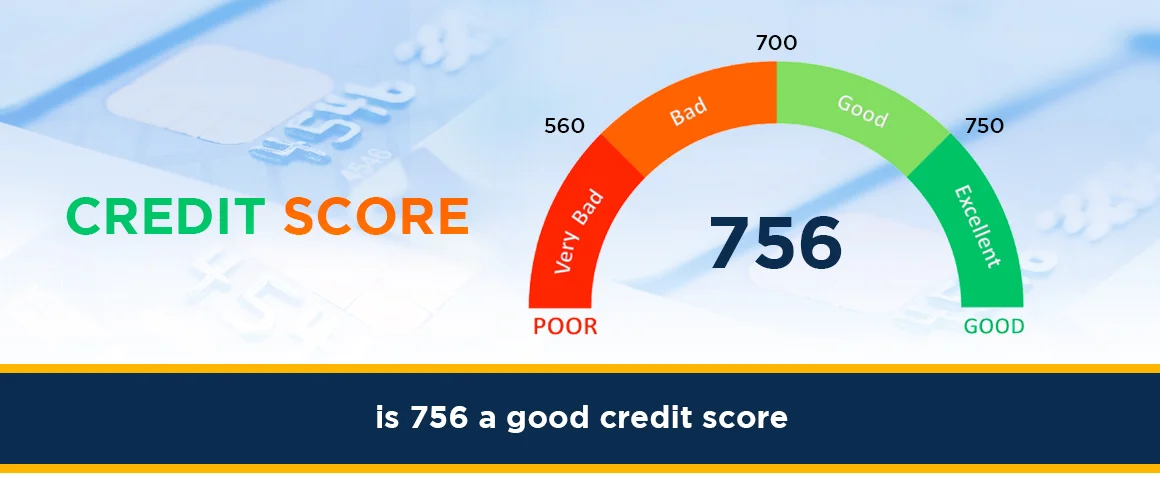
A credit score of 756 generally signifies a good to very good financial standing. This guide will comprehensively explore what a 756 credit score means, its implications for borrowing, and how to leverage it for optimal financial outcomes in 2025.
What is a 756 Credit Score?
A credit score is a three-digit number that lenders use to assess your creditworthiness – essentially, how likely you are to repay borrowed money. This score is calculated based on your credit history, including factors like payment history, credit utilization, length of credit history, credit mix, and new credit inquiries. A score of 756 falls into a highly desirable range, indicating a responsible borrower with a solid track record of managing credit effectively. It suggests that you have demonstrated a consistent ability to meet your financial obligations, making you an attractive candidate for various credit products.
Understanding Credit Scoring Models
It's important to note that there isn't just one credit score. The most common scoring models are FICO and VantageScore. While they use similar factors, their algorithms and score ranges can differ slightly. However, a 756 score is generally considered good across both major models. FICO scores typically range from 300 to 850, while VantageScore also uses a similar range. The exact interpretation of a 756 score can depend on the specific scoring model used by a lender, but its positive implications remain consistent.
Factors Influencing a 756 Score
Achieving a 756 credit score is a testament to several positive financial habits. The primary drivers include:
- Payment History: Consistently paying bills on time, every time, is the most significant factor. Late payments can severely damage a credit score.
- Credit Utilization Ratio (CUR): This is the amount of credit you're using compared to your total available credit. Keeping your CUR low, ideally below 30% and even better below 10%, is crucial. For a 756 score, it's highly probable that this ratio is well-managed.
- Length of Credit History: A longer history of responsible credit management generally leads to higher scores.
- Credit Mix: Having a variety of credit accounts, such as credit cards, installment loans (like mortgages or auto loans), and demonstrating responsible management of each, can positively impact your score.
- New Credit: Opening too many new accounts in a short period can temporarily lower your score due to hard inquiries and the introduction of new credit lines. A 756 score suggests a balanced approach to seeking new credit.
Credit Score Ranges in 2025: Where Does 756 Fit?
Understanding where a 756 credit score sits within the broader spectrum of credit scores is essential for appreciating its value. Lenders categorize scores to quickly assess risk. While exact ranges can vary slightly between FICO and VantageScore, and even by lender, the general consensus for 2025 is as follows:
| Score Range | Rating | Implications |
|---|---|---|
| 300-579 | Very Poor | High risk; difficult to obtain credit; high interest rates if approved. |
| 580-669 | Fair | Subprime; may qualify for some credit but with higher interest rates and fees. |
| 670-739 | Good | Likely to qualify for most credit products with reasonable interest rates. |
| 740-799 | Very Good | Excellent chance of approval for prime rates; access to a wide range of credit products. |
| 800-850 | Exceptional | Best rates and terms; often receive premium offers and perks. |
As you can see, a 756 credit score firmly resides in the Very Good category. This places you in a strong position, just shy of the exceptional tier. It signifies that you are a low-risk borrower, and lenders will view your applications favorably. This score range is often considered a sweet spot, offering significant advantages without necessarily requiring the absolute perfect score.
FICO's Perspective on 756
According to FICO, scores in the 740-799 range are considered "Very Good." Borrowers in this bracket typically experience a much lower likelihood of defaulting on their debts compared to those with lower scores. Lenders often reserve their best interest rates and most favorable loan terms for individuals with scores in this range and above. For instance, when applying for a mortgage, a 756 score could qualify you for interest rates significantly lower than someone with a "Good" score, saving you tens of thousands of dollars over the life of the loan.
VantageScore's View on 756
VantageScore also categorizes scores similarly. A 756 would typically fall under their "Very Good" or potentially even "Excellent" tier, depending on the specific sub-range they use. Regardless of the exact label, the underlying message is consistent: a 756 score indicates strong credit management and a low risk to lenders. This means you're likely to be approved for a wide array of credit products, from prime auto loans to premium credit cards, often with minimal fuss.
The Significance of Being Near Exceptional
While 756 is excellent, it's worth noting that scores above 800 are considered "Exceptional." The difference in benefits between "Very Good" and "Exceptional" can sometimes be marginal for many common financial products. However, for certain high-value loans or very competitive credit card offers, pushing into the 800+ range might unlock even better rates or exclusive rewards. For now, however, a 756 score provides a substantial advantage in the credit landscape of 2025.
Impact of a 756 Credit Score on Loans and Credit Products
Having a 756 credit score opens many doors when it comes to accessing credit. Lenders see you as a reliable borrower, which translates into better terms and easier approvals. Let's break down the impact across various financial products.
Mortgage Loans
For a mortgage, a 756 credit score is excellent. You'll likely qualify for the lowest available interest rates, which can save you a substantial amount of money over the 15- to 30-year term of a mortgage. For example, a difference of just 0.5% in interest rate on a $300,000 loan could save you over $50,000 in interest payments. Furthermore, a score this high can also lead to lower private mortgage insurance (PMI) costs if you're putting down less than 20%.
Consider this scenario for a $300,000, 30-year fixed-rate mortgage in 2025:
- With a 756 Credit Score (e.g., 6.5% interest rate): Monthly Principal & Interest ≈ $1,896. Total interest paid ≈ $382,560.
- With a "Good" Score (e.g., 700, 6.8% interest rate): Monthly Principal & Interest ≈ $1,956. Total interest paid ≈ $404,160.
- With a "Fair" Score (e.g., 620, 7.5% interest rate): Monthly Principal & Interest ≈ $2,098. Total interest paid ≈ $455,280.
The savings are clear. A 756 score positions you to secure one of the best rates available.
Auto Loans
Securing an auto loan with a 756 credit score is straightforward and will likely result in competitive interest rates. This means lower monthly payments and less interest paid overall. Many dealerships and lenders offer "prime" or "superprime" rates to borrowers in this score range. For a $30,000 auto loan over 60 months:
- With a 756 Credit Score (e.g., 5.0% interest rate): Monthly Payment ≈ $566. Total Interest ≈ $3,960.
- With a "Good" Score (e.g., 700, 5.5% interest rate): Monthly Payment ≈ $575. Total Interest ≈ $4,500.
- With a "Fair" Score (e.g., 620, 7.0% interest rate): Monthly Payment ≈ $607. Total Interest ≈ $6,420.
The difference, while perhaps not as dramatic as a mortgage, still represents significant savings over the life of the loan.
Personal Loans
Personal loans are often used for debt consolidation, unexpected expenses, or large purchases. With a 756 score, you'll likely qualify for personal loans with lower interest rates and more flexible repayment terms. This makes debt consolidation more effective and reduces the overall cost of borrowing.
Credit Cards
A 756 credit score opens the door to premium rewards credit cards, balance transfer cards with attractive introductory offers, and cards with high credit limits. You'll be eligible for cards offering substantial sign-up bonuses, generous cash back or travel rewards, and low introductory APRs. Lenders are confident in your ability to manage these lines of credit responsibly.
Examples of benefits you might access:
- Premium Travel Cards: Annual travel credits, airport lounge access, bonus points on travel and dining.
- Cash Back Cards: Higher cash back percentages on everyday spending categories.
- 0% Intro APR Cards: Significant periods with no interest on purchases or balance transfers, allowing for substantial savings if you need to finance a large purchase or consolidate debt.
Other Credit Products
Beyond these common examples, a 756 credit score can also positively impact your ability to secure:
- Rental agreements: Landlords often check credit scores, and a high score can make it easier to rent desirable properties.
- Utility services: You may be able to avoid security deposits for utilities like electricity, gas, and water.
- Cell phone contracts: Better phone payment plans and potentially lower upfront costs for devices.
- Insurance premiums: In many states, credit-based insurance scores are used to help determine premiums for auto and homeowners insurance. A higher score can lead to lower insurance costs.
The Advantages of Having a 756 Credit Score
Beyond the direct impact on loan approvals and interest rates, a 756 credit score offers a broader range of financial advantages that contribute to overall financial well-being.
Lower Interest Rates and Fees
This is perhaps the most significant benefit. As demonstrated in the loan examples, lower interest rates directly translate into saving money. Over a lifetime, these savings can amount to tens or even hundreds of thousands of dollars. Furthermore, lenders may waive or reduce certain fees, such as origination fees on loans or annual fees on credit cards, for borrowers with excellent credit.
Higher Credit Limits
With a 756 score, lenders are more willing to extend larger lines of credit. This is beneficial for several reasons:
- Improved Credit Utilization Ratio: A higher credit limit allows you to maintain a lower credit utilization ratio even if your spending remains the same. For example, if you spend $1,000, a $5,000 credit limit gives you a 20% utilization, while a $2,000 limit results in a 50% utilization. Lower utilization is better for your score.
- Financial Flexibility: Higher limits provide a greater safety net for emergencies or large planned purchases.
- Potential for Rewards: If you're aiming to maximize credit card rewards, a higher credit limit can allow you to spend more on your chosen card, earning more points or cash back.
Easier Loan and Credit Approvals
The application process for loans and credit cards is generally smoother and faster for individuals with a 756 credit score. Lenders have a high degree of confidence in your ability to repay, often leading to quicker decision-making and less scrutiny. You'll likely be approved for a wider variety of credit products, giving you more choices to meet your financial needs.
Access to Premium Rewards and Perks
As mentioned earlier, a 756 credit score is your ticket to the best credit card offers. These cards often come with:
- Generous Sign-Up Bonuses: Thousands of points or hundreds of dollars in cash back after meeting a spending requirement.
- Lucrative Rewards Programs: Enhanced earning rates on specific spending categories (e.g., groceries, dining, travel) or flat-rate rewards.
- Travel Benefits: Airport lounge access, travel insurance, statement credits for travel purchases, and elite status with hotels or car rental agencies.
- Purchase Protection and Extended Warranties: Added security for your purchases.
Better Negotiating Power
When you have a strong credit score, you are in a better position to negotiate terms with lenders. You can potentially ask for a lower interest rate, a waiver of certain fees, or more favorable repayment schedules, as lenders will be eager to earn your business.
Financial Peace of Mind
Knowing that you have a strong credit score provides a sense of security. It means you're well-positioned to handle unexpected financial emergencies, qualify for major purchases like a home or car when needed, and generally have more control over your financial future. This can significantly reduce financial stress.
How to Achieve and Maintain a 756 Credit Score
Achieving and maintaining a 756 credit score requires consistent, responsible financial behavior. If you're not quite there yet, or if you have a 756 score and want to ensure it stays strong, focus on these key areas:
Prioritize On-Time Payments
This is non-negotiable. Set up automatic payments for all your bills, including credit cards, loans, utilities, and rent. If you're prone to forgetting, use calendar reminders or sticky notes. Even one late payment (30 days past due) can significantly drop your score and take a long time to recover from. For a 756 score, your payment history is almost certainly impeccable.
Manage Your Credit Utilization Ratio (CUR)
Aim to keep your CUR below 30%, and ideally below 10%. This means that for each credit card, the balance you carry should be a small percentage of its credit limit. For example, if you have a credit card with a $5,000 limit, try to keep your balance below $500 (10% utilization).
Strategies to lower CUR:
- Pay down balances: Make more than the minimum payment whenever possible.
- Request credit limit increases: If you have a good payment history with a card issuer, ask for a higher credit limit. This can lower your CUR without you spending more.
- Spread spending across multiple cards: If you have multiple credit cards, try to distribute your spending rather than maxing out one card.
- Pay off balances before the statement closing date: The balance reported to credit bureaus is typically the one on your statement closing date. Paying it down before then can show a lower utilization.
Avoid Opening Too Many New Accounts at Once
While a diverse credit mix is good, applying for multiple credit cards or loans in a short period can result in several hard inquiries on your credit report. Each hard inquiry can slightly lower your score. Space out your applications, especially if you're aiming to maintain or improve a score like 756.
Maintain Older Accounts
The length of your credit history matters. Closing older credit card accounts, especially those with no annual fee and a positive payment history, can shorten your average account age and potentially lower your score. Keep them open and in good standing, even if you use them infrequently.
Check Your Credit Reports Regularly
Mistakes can happen. Obtain your free credit reports from Equifax, Experian, and TransUnion annually through AnnualCreditReport.com. Review them carefully for any inaccuracies, such as incorrect personal information, accounts you don't recognize, or erroneous late payment notations. Dispute any errors promptly with the credit bureaus.
Use Credit Responsibly for a Long Period
A 756 score is typically built over time through consistent, responsible credit management. There's no shortcut to developing a long and positive credit history. The longer you demonstrate good habits, the more your score will reflect that reliability.
Consider a Secured Credit Card If Needed
If your score is below 756 and you're looking to build it, a secured credit card can be a valuable tool. You provide a cash deposit that becomes your credit limit. Use it responsibly, pay on time, and it will help establish or rebuild your credit history. Once your score improves, you can transition to unsecured credit products.
Potential Challenges and Considerations with a 756 Credit Score
While a 756 credit score is excellent, it's not entirely without its nuances or potential pitfalls. Understanding these can help you navigate your financial life more effectively.
Score Fluctuations
Credit scores are not static. They can change monthly, or even more frequently, based on your credit activity. A single large purchase that temporarily increases your credit card balance, for example, could cause a slight dip in your score until you pay it down. While a 756 score is robust, it's important to remain vigilant about your financial habits.
Lender Variations
Not all lenders use the same scoring models or have the same risk tolerance. While a 756 score is generally viewed favorably, one lender might have slightly different criteria or offer marginally better terms than another. It's always wise to shop around for the best offers.
The Difference Between "Good" and "Exceptional"
While 756 is in the "Very Good" range, it's important to acknowledge that scores of 800 and above are considered "Exceptional." For certain elite credit cards or the absolute lowest mortgage rates, pushing into the 800+ range might unlock marginal additional benefits. The difference in interest rates or rewards might be small, but it exists.
Credit History Length and Depth
Even with a 756 score, if your credit history is relatively short or lacks depth (e.g., only one credit card used for a short time), you might still be overlooked for certain premium products that value a long track record of diverse credit management.
The Impact of Hard Inquiries
While a few hard inquiries won't tank your score, a sudden cluster of them from multiple credit applications can signal to lenders that you might be in financial distress or seeking a lot of new credit quickly, which can be a red flag. This is why strategic application is important.
Over-Reliance on Credit
Having a good score can sometimes lead to a false sense of security, encouraging overspending or taking on more debt than you can comfortably manage. A 756 score is a tool, not a license to be financially reckless. Always borrow responsibly and within your means.
identity theft and Fraud Risks
A strong credit score makes you a target for identity theft. While this isn't directly related to the score itself, maintaining excellent credit means you need to be extra vigilant about protecting your personal and financial information. Regularly monitoring your credit reports and statements is crucial.
Improving Your Credit Score Beyond 756
If you have a 756 credit score and are aiming for the "Exceptional" tier (800+), or simply want to solidify your excellent credit standing, here are strategies to consider. These steps focus on refining your credit habits and maximizing positive reporting.
Aim for Near-Perfect Payment History
While you likely have an excellent payment history, strive for absolute perfection. Ensure every single payment is made on or before the due date. Even a single 30-day late payment can drop your score significantly, so vigilance is key.
Maintain Ultra-Low Credit Utilization
To reach the 800+ range, keeping your credit utilization ratio as close to 0% as possible is ideal, though realistically, keeping it below 5% is excellent. This means paying off your balances in full every month, ideally before the statement closing date, so that the reported balance is minimal.
Example: If you have a $10,000 credit limit across all your cards, aim to have a total reported balance of no more than $500 (5% utilization) or even less.
Maximize Length of Credit History
Continue to keep your oldest credit accounts open and active, provided they don't have prohibitive annual fees. The longer your average account age, the more established and reliable your credit history appears to lenders. Avoid closing accounts, especially those that have been open for many years.
Diversify Your Credit Mix Strategically
If your credit history primarily consists of credit cards, consider strategically adding an installment loan (like a small personal loan or a car loan, if needed) and managing it perfectly. Having a mix of revolving credit (credit cards) and installment credit (loans) can be beneficial. However, only do this if you genuinely need the loan and can manage the payments responsibly.
Reduce Recent Credit Inquiries
Once you've achieved a 756 score, be very judicious about applying for new credit. Each hard inquiry can have a small negative impact. Only apply for credit when absolutely necessary and when you're confident you'll be approved.
Consider Premium Credit Cards for Benefits
With a 756 score, you're eligible for some of the best credit cards on the market. Focus on cards that offer benefits that align with your spending habits, such as travel rewards, cash back, or intro 0% APR periods. Maximizing rewards can be a perk of excellent credit, but always use them responsibly.
Monitor for Any Negative Reporting
Even with a high score, stay vigilant. Keep an eye on your credit reports for any unexpected negative information. Promptly dispute any inaccuracies to ensure your score remains a true reflection of your creditworthiness.
Seek Financial Advice If Needed
If you're unsure about the best strategies to reach the 800+ range or want personalized advice, consider consulting a reputable financial advisor or credit counselor. They can help you create a tailored plan.
Patience and Consistency
Building and maintaining excellent credit is a marathon, not a sprint. The most effective way to improve from a 756 score to an exceptional one is through continued patience and unwavering consistency in your responsible financial practices.
In conclusion, a 756 credit score is a powerful financial asset in 2025. It signifies a strong credit history, making you a low-risk borrower who can access the best loan terms, credit cards, and financial opportunities. By understanding its implications and continuing to practice responsible credit management, you can leverage this score to achieve your financial goals and maintain long-term financial health.
Related Stories

Recent Posts
Does Closing a Checking Account Affect Your Credit Score? Here’s the Truth
Is a Home Equity Loan a Second Mortgage? The Definitive 2025 Guide
Which Credit Score is Most Accurate? FICO vs VantageScore
Does Closing a Checking Account Affect Credit Score? – Complete Guide for Consumers
Credit Captain Reviews (2025): Is It Legit, Safe, and Worth It?