Is 794 a Good Credit Score? Understanding the Importance of Credit Scores
Is 794 a Good Credit Score? Understanding the Importance of Credit Scores
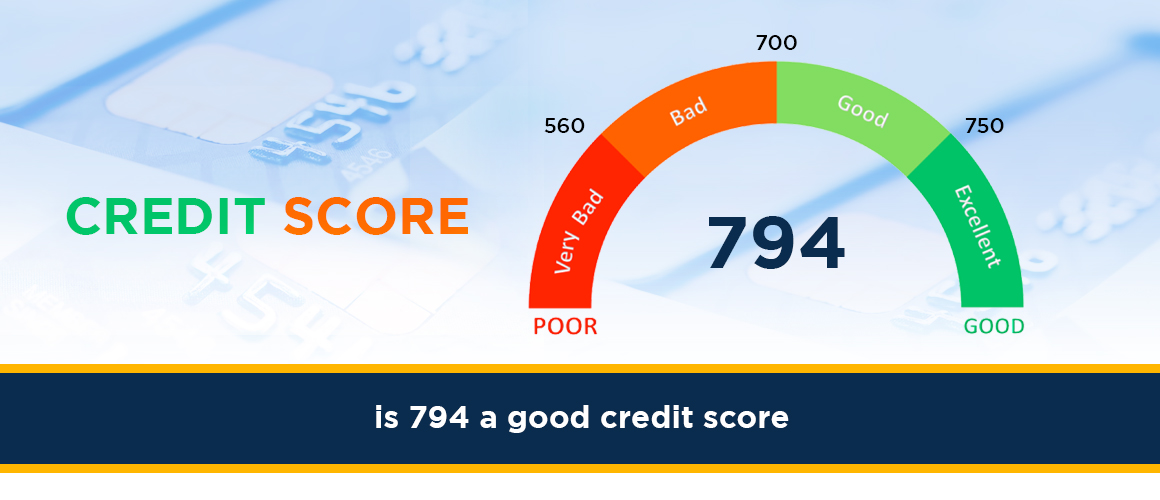
A credit score of 794 is exceptionally good, placing you firmly in the "very good" to "excellent" range. This score signifies a strong financial history and a low risk to lenders, opening doors to favorable loan terms and financial opportunities. Understanding its significance is key to leveraging this powerful financial tool.
Understanding Credit Score Ranges
Credit scores are numerical representations of your creditworthiness, typically ranging from 300 to 850. Lenders use these scores to assess the risk involved in lending money to you. While different scoring models exist (like FICO and VantageScore), the general ranges are fairly consistent. Understanding these ranges helps contextualize what a 794 score truly means.
FICO Score Ranges (Commonly Used)
The FICO score is the most widely used credit scoring model in the United States. It categorizes scores into distinct levels:
- Exceptional: 800-850
- Very Good: 740-799
- Good: 670-739
- Fair: 580-669
- Poor: 300-579
VantageScore Ranges (Increasingly Popular)
VantageScore is another popular credit scoring model, developed collaboratively by the three major credit bureaus. Its ranges are similar but often have slightly different boundaries:
- Excellent: 781-850
- Good: 661-780
- Fair: 601-660
- Poor: 500-600
- Very Poor: 300-499
Where Does 794 Fit In?
Based on both FICO and VantageScore models, a credit score of 794 is a strong indicator of financial responsibility. For FICO, it falls into the "Very Good" category, just shy of "Exceptional." For VantageScore, it sits at the very top of the "Good" range, bordering on "Excellent." In practical terms, this means lenders view you as a highly reliable borrower with a low probability of defaulting on loans.
The Nuance of "Good" vs. "Excellent"
While 794 is undoubtedly a great score, it's important to note the subtle differences between "Very Good" and "Exceptional." An "Exceptional" score (800+) might sometimes unlock the absolute best interest rates or exclusive offers that a "Very Good" score might not quite qualify for. However, the difference in benefits between 794 and, say, 810 is often minimal in the grand scheme of things. You are already in a prime position.
Why Different Ranges Matter
Understanding these ranges is crucial because lenders use them to make decisions about approving loans, setting interest rates, and determining credit limits. A higher score generally translates to lower borrowing costs and greater access to credit products. Conversely, a lower score can lead to higher interest rates, lower credit limits, or even loan denials.
The distinction between categories isn't arbitrary. It reflects statistical probabilities of default. Borrowers in the "Poor" range are statistically more likely to miss payments or default entirely, making them a higher risk for lenders. Those in the "Exceptional" range are statistically the least likely to default, making them the most desirable borrowers.
Why Your Credit Score Matters
Your credit score is more than just a number; it's a powerful financial passport that influences many aspects of your life. From securing housing to obtaining a new phone plan, a good credit score can save you money and provide peace of mind. In 2025, its importance continues to grow as financial institutions become more data-driven.
Access to Credit and Loans
The most immediate impact of your credit score is on your ability to borrow money. Whether you're looking for a mortgage to buy a home, an auto loan to purchase a vehicle, or a personal loan for unexpected expenses, lenders will scrutinize your credit score. A score of 794 significantly increases your chances of approval for these loans. Furthermore, it often qualifies you for the most competitive interest rates, saving you thousands of dollars over the life of the loan.
Mortgages
For a mortgage, your credit score is paramount. A score of 794 can help you secure a lower interest rate, which directly impacts your monthly payment and the total amount of interest paid over the 15-30 year term of the loan. For example, a 0.5% difference in interest rate on a $300,000 mortgage can save you over $50,000 in interest. In 2025, with fluctuating interest rate environments, every percentage point matters.
Auto Loans
Similarly, when financing a car, a 794 credit score will likely get you approved for the lowest available APRs. This means your monthly car payments will be lower, and you'll pay less interest overall. This can translate to hundreds or even thousands of dollars saved over the typical 5-7 year loan term.
Personal Loans and Credit Cards
Beyond major purchases, a strong credit score makes it easier to get approved for personal loans and a wider variety of credit cards, including those with premium rewards and benefits. Lenders see you as a low-risk applicant, making them more willing to extend credit.
Renting an Apartment or House
Landlords increasingly use credit checks as part of their tenant screening process. A good credit score demonstrates that you are responsible and likely to pay your rent on time. A score of 794 will likely make you a preferred applicant, potentially giving you an edge over other renters with lower scores, especially in competitive rental markets.
Lower Insurance Premiums
In many states, insurance companies use credit-based insurance scores to help determine premiums for auto and homeowners insurance. The logic is that individuals with better credit histories tend to file fewer insurance claims. A score of 794 can lead to lower insurance premiums, saving you money on essential coverage. This practice, while sometimes debated, is a common reality in 2025.
Utility Deposits and Cell Phone Plans
When you sign up for services like electricity, gas, water, or a new cell phone plan, companies often run a credit check. A strong credit score like 794 can help you avoid paying security deposits, which can range from $50 to several hundred dollars. It also ensures you can qualify for the best plans and promotions without extra hurdles.
Employment Opportunities
While not universal, some employers, particularly those in financial services or positions involving handling sensitive information, may conduct credit checks as part of their background screening process. A good credit history can be seen as an indicator of responsibility and trustworthiness.
Negotiating Power
Having a high credit score gives you leverage. When you're applying for a loan or credit card, you're in a stronger position to negotiate terms. Lenders are eager to do business with low-risk individuals, and your 794 score makes you one of them. You can confidently seek out the best offers and even negotiate rates.
Factors That Influence Your Credit Score
Understanding what goes into your credit score is crucial for maintaining a high score like 794 and for improving it if it dips. Credit scoring models primarily weigh five key factors, each contributing differently to your overall score. In 2025, these factors remain the bedrock of credit assessment.
1. Payment History (35% of FICO Score)
This is the single most important factor. It reflects whether you pay your bills on time. Late payments, missed payments, defaults, bankruptcies, and collections all negatively impact your score. Conversely, a consistent record of on-time payments is the strongest contributor to a good score.
On-Time Payments
Making at least the minimum payment by the due date every month is essential. Even one late payment can have a significant negative effect, especially if it's more than 30 days past due.
Negative Marks
Public records like bankruptcies, foreclosures, and judgments have a severe and long-lasting impact. Collections accounts also signal to lenders that you have struggled to pay debts.
Positive Impact
A long history of timely payments demonstrates reliability and is the cornerstone of a strong credit score.
2. Amounts Owed / credit utilization Ratio (30% of FICO Score)
This factor looks at how much debt you carry, particularly on revolving credit accounts like credit cards. The credit utilization ratio (CUR) is the amount of credit you're using compared to your total available credit. Keeping this ratio low is vital.
Credit Utilization Ratio (CUR)
CUR = (Total Credit Card Balances / Total Credit Card Limits) * 100.
For example, if you have two credit cards with limits of $5,000 each (total $10,000 limit) and you owe $1,000 on one and $500 on the other (total $1,500 owed), your CUR is ($1,500 / $10,000) * 100 = 15%.
Ideal Utilization
Experts generally recommend keeping your CUR below 30%, but for scores in the "Very Good" to "Exceptional" range, aiming for below 10% is even better. A 794 score suggests you likely maintain a very low utilization ratio.
Impact of High Balances
Carrying high balances, even if paid on time, can signal to lenders that you are heavily reliant on credit, which can lower your score.
3. Length of Credit History (15% of FICO Score)
This factor considers how long your credit accounts have been open and the average age of your accounts. A longer credit history generally indicates more experience managing credit, which is viewed favorably.
Average Age of Accounts
The longer your accounts have been open and in good standing, the better. This doesn't mean you should keep old, unused accounts open indefinitely, but it highlights the benefit of responsible, long-term credit management.
First Use of Credit
The age of your oldest account and the average age of all your accounts contribute to this factor. Starting to build credit early and managing it well can significantly benefit your score over time.
4. Credit Mix (10% of FICO Score)
This factor examines the different types of credit you use, such as credit cards (revolving credit), mortgages, auto loans, and personal loans (installment credit). Having a mix of credit types can be beneficial, as it shows you can manage different kinds of debt responsibly.
Revolving Credit
This includes credit cards and home equity lines of credit. These typically have variable interest rates and require minimum payments that are a percentage of the balance.
Installment Credit
This includes loans like mortgages, auto loans, and student loans. These typically have fixed interest rates and fixed monthly payments over a set term.
Balance is Key
While a mix can be good, it's not worth opening new accounts solely to diversify your credit mix if you don't need them. The other factors are far more impactful.
5. New Credit (10% of FICO Score)
This factor considers how many new credit accounts you've opened recently and how many hard inquiries appear on your credit report. Opening too many new accounts in a short period can be a red flag to lenders, suggesting financial distress or increased risk.
Hard Inquiries
A hard inquiry occurs when a lender checks your credit report because you've applied for credit. Each hard inquiry can slightly lower your score for a short period. Multiple inquiries in a short time can signal risk.
Rate Shopping Exception
Credit scoring models typically allow for a "rate shopping" window (usually 14-45 days, depending on the model) where multiple inquiries for the same type of loan (e.g., mortgages or auto loans) are treated as a single inquiry. This allows consumers to shop for the best rates without unduly harming their scores.
Opening New Accounts
Opening several new credit cards or loans in a short timeframe can negatively impact your score, especially if you don't have a long credit history.
How to Maintain and Improve a 794 Credit Score
Achieving a 794 credit score is a significant accomplishment. The key now is to maintain it and, if possible, push it even higher into the "Exceptional" range. This involves consistent good financial habits and strategic management of your credit.
Maintaining Your 794 Score
The strategies for maintaining a high score are largely the same as those that helped you achieve it. Consistency is paramount.
1. Continue Paying All Bills On Time, Every Time
This cannot be stressed enough. Set up automatic payments for your credit cards, loans, and other bills to ensure you never miss a due date. If you prefer manual payments, set calendar reminders a few days before the due date.
2. Keep Credit Utilization Low
Even with a 794 score, high credit utilization can cause your score to dip. Aim to keep your balances on credit cards below 30% of their limits, and ideally below 10%. Consider paying down balances before the statement closing date, as this is often when credit card companies report your balance to the credit bureaus.
3. Avoid Opening Unnecessary New Credit Accounts
Resist the temptation to apply for new credit cards or loans unless you genuinely need them. Each application can result in a hard inquiry, and opening too many new accounts can lower the average age of your credit history.
4. Monitor Your Credit Reports Regularly
Check your credit reports from Equifax, Experian, and TransUnion at least annually (you're entitled to a free report from each bureau every week via AnnualCreditReport.com). Look for any errors, fraudulent activity, or inaccuracies. Dispute any errors immediately with the credit bureau and the creditor.
5. Manage Existing Accounts Wisely
Continue to use your credit cards responsibly. Small, regular purchases that you pay off in full each month can help demonstrate ongoing positive credit activity without increasing your debt.
Strategies to Push Your Score Higher (Towards 800+)
If your goal is to reach the "Exceptional" tier, consider these advanced strategies:
1. Increase Credit Limits Strategically
If you have a good payment history with a credit card issuer, you can request a credit limit increase. If approved, this can lower your credit utilization ratio without you spending more money. For example, if your balance is $1,000 and your limit is $5,000 (20% utilization), requesting a limit increase to $10,000 would drop your utilization to 10%.
2. Become an Authorized User (Use with Caution)
If a trusted friend or family member with excellent credit history is willing to add you as an authorized user to one of their long-standing, well-managed credit cards, it can potentially boost your score. Their positive payment history and low utilization on that account could reflect on your report. However, if they miss payments or run up high balances, it could harm your score.
3. Maintain a Long Credit History
The longer your credit accounts have been open and in good standing, the better. Avoid closing old, unused credit cards, especially if they have no annual fee, as this can reduce the average age of your accounts and potentially increase your overall credit utilization.
4. Wait for Negative Marks to Age Off
If you have any minor negative marks that are still impacting your score (e.g., a payment that was 30 days late a few years ago), the best strategy is often to wait. Most negative information falls off your credit report after 7-10 years. As these items age, their impact diminishes.
5. Consider a Credit-Builder Loan or Secured Card (If Needed)**
**This is generally not necessary for someone with a 794 score.** However, if you were trying to recover from a lower score, these tools help build positive credit history. A credit-builder loan involves making payments on a loan that is held in a savings account, which is then released to you upon completion. A secured credit card requires a cash deposit that becomes your credit limit.
6. Monitor Your Credit Score Trends
Many credit card issuers and financial institutions offer free credit score monitoring services. Use these tools to track your score's progress and understand how specific actions affect it. This real-time feedback can be invaluable.
Step-by-Step Guide to Improving Your Score (If it Dips)
If your score has recently dropped below 794, here’s a focused approach:
- Identify the Cause: Review your credit report and score breakdown to pinpoint why your score decreased. Was it a late payment? Increased credit card balances? A new loan?
- Address Immediate Issues: If you missed a payment, pay it immediately. If your credit utilization is high, focus on paying down balances.
- Prioritize Payments: Ensure all current bills are paid on time going forward.
- Reduce Credit Utilization: Strategically pay down credit card balances or request credit limit increases.
- Dispute Errors: If you find inaccuracies on your credit report, file a dispute promptly.
- Be Patient: Credit scores take time to rebuild. Consistent positive behavior is key.
What Can You Do With a 794 Credit Score?
A credit score of 794 positions you as a highly desirable borrower. This means you have access to a wide range of financial products and services, often with the most favorable terms available. Lenders compete for your business, allowing you to choose the best options for your financial goals.
1. Secure the Best Mortgage Rates
When buying a home, your 794 score will likely qualify you for the lowest interest rates on mortgages. This translates to significant savings over the life of the loan. You may also have access to a wider range of mortgage products, including conventional loans with lower down payment requirements and potentially even jumbo loans if your income supports it.
Example: On a $400,000, 30-year mortgage, a 6.5% interest rate (typical for a very good score) versus a 7.0% rate (typical for a good score) could save you approximately $1,000 per month or over $360,000 in interest over the loan's term. A 794 score puts you in prime position for the lower rate.
2. Obtain Favorable Auto Loan Terms
Financing a new or used car becomes much more affordable with a 794 credit score. You'll likely qualify for the lowest available Annual Percentage Rates (APRs), reducing your monthly payments and the total interest paid. This can make a significant difference when purchasing a vehicle, especially with current market prices in 2025.
3. Qualify for Premium Credit Cards
Your score opens the door to premium travel rewards cards, cashback cards with high earning rates, and cards offering generous sign-up bonuses. These cards often come with perks like airport lounge access, travel insurance, and concierge services, adding value beyond just earning rewards.
Example: Cards like the Chase Sapphire Reserve or American Express Platinum are typically reserved for applicants with excellent credit. A 794 score makes you a strong candidate for these sought-after cards.
4. Access Unsecured Personal Loans with Competitive Rates
Need funds for debt consolidation, home improvements, or a major purchase? A 794 score makes it easy to get approved for unsecured personal loans with low interest rates. This is preferable to secured loans, which require collateral.
5. Negotiate Better Terms on Existing Debts
If you have existing high-interest debt, your strong credit score can be used as leverage to negotiate better terms, such as a lower interest rate or a balance transfer to a 0% introductory APR card. This can significantly reduce your borrowing costs.
6. Secure Rental Properties More Easily
Landlords often view applicants with scores in the 794 range as highly reliable tenants. This can give you an advantage in competitive rental markets, making it easier to secure desirable apartments or houses and potentially negotiate lease terms.
7. Avoid or Minimize Security Deposits
When setting up utilities or getting a new cell phone plan, a strong credit score like 794 often means you won't have to pay security deposits, saving you upfront cash.
8. Potentially Lower Insurance Premiums
As mentioned earlier, insurance companies often use credit-based insurance scores. A 794 score can contribute to lower premiums for auto and homeowners insurance, leading to ongoing savings.
9. Increased Borrowing Power
Overall, lenders are more willing to extend higher credit limits and loan amounts to individuals with scores like yours, recognizing your low risk profile. This provides greater financial flexibility.
In essence, a 794 credit score grants you access to the best that the credit market has to offer. It signifies trust and reliability, allowing you to achieve your financial goals more efficiently and affordably.
Common Misconceptions About Credit Scores
Despite the widespread use of credit scores, several misconceptions persist. Understanding these myths can help you manage your credit more effectively and avoid making decisions based on inaccurate information. These are prevalent in 2025 as well.
Myth 1: Checking Your Own Credit Score Lowers It
Fact: Checking your own credit score, whether through a credit monitoring service, your bank, or directly from a credit bureau, is considered a "soft inquiry." Soft inquiries do not affect your credit score. Only "hard inquiries," which occur when you apply for new credit, can have a minor, temporary impact.
Myth 2: You Need to Carry a Balance on Your Credit Card to Build Credit
Fact: This is a harmful myth. You do not need to carry a balance and pay interest to build or maintain good credit. In fact, carrying high balances increases your credit utilization ratio, which can negatively impact your score. The best practice is to pay your credit card balances in full each month by the due date.
Myth 3: Closing Old Credit Cards Will Improve Your Score
Fact: Closing old credit cards can actually hurt your score. It reduces the average age of your credit history (a positive factor) and can increase your credit utilization ratio if you carry balances on other cards. Unless an old card has a high annual fee and you don't use it, it's often best to keep it open and use it sparingly for small purchases.
Myth 4: Your Credit Score is Fixed and Cannot Be Changed
Fact: Your credit score is dynamic and can change based on your financial behavior. While significant improvements take time and consistent positive actions, it's entirely possible to improve a score that has dipped or to maintain an excellent score through responsible credit management.
Myth 5: All Credit Scores Are the Same
Fact: There are different credit scoring models (FICO, VantageScore) and different versions of these models. Additionally, your scores can vary slightly between the three major credit bureaus (Equifax, Experian, TransUnion) because they may have slightly different information on your reports. Lenders may also use industry-specific scores.
Myth 6: A Bad Credit Score Means You Can Never Get Approved for Loans
Fact: While a low score makes it difficult and expensive to borrow money, it doesn't mean all hope is lost. There are options like secured loans, credit-builder loans, and loans specifically designed for individuals with poor credit, though these typically come with higher interest rates and fees. A 794 score, however, means you are far from this situation.
Myth 7: Checking Your FICO Score vs. VantageScore Matters Significantly
Fact: While the numbers might differ slightly, the underlying factors that influence your score are the same. Whether you check a FICO or VantageScore, the advice for improvement remains consistent: pay bills on time, keep balances low, and manage credit responsibly. For most practical purposes, understanding your general range is more important than the exact number.
Myth 8: A Medical Debt on Your Report is the Same as Other Delinquencies
Fact: As of recent updates, medical debt that has been sent to collections is treated differently. While it can still impact your score, there are often grace periods and specific rules regarding its reporting, especially if it's a recent collection. However, it's always best to address any debt promptly.
Dispelling these myths is crucial for making informed financial decisions and ensuring you're taking the right steps to manage your credit effectively.
The Future of Credit Scoring
The landscape of credit scoring is continually evolving, driven by technological advancements, changing consumer behaviors, and a desire for more inclusive and accurate risk assessment. In 2025, we are seeing trends that point towards a more sophisticated and potentially broader view of creditworthiness.
1. Increased Use of Alternative Data
Beyond traditional credit report data, lenders and scoring models are increasingly exploring "alternative data." This can include information such as rent payments, utility payments, and even cash flow data from bank accounts. The goal is to provide a more comprehensive picture of financial responsibility, especially for individuals with limited traditional credit history.
Example: A person who consistently pays rent on time but has no credit cards might see their creditworthiness improve if rent payment data is incorporated into their score. This could benefit a large segment of the population.
2. Machine Learning and AI in Scoring
Artificial intelligence (AI) and machine learning (ML) are being employed to develop more complex and predictive scoring models. These algorithms can identify subtle patterns and correlations in data that traditional models might miss, potentially leading to more accurate risk assessments.
3. Focus on Financial Health Over Time
Future scoring models may place greater emphasis on a consumer's overall financial health and stability over longer periods, rather than just snapshots of their credit activity. This could involve analyzing spending habits, savings patterns, and debt-to-income ratios more holistically.
4. Real-Time Scoring and Monitoring
The trend towards real-time data is impacting credit scoring. Expect more services that offer instant credit score updates and insights based on the very latest financial activity, allowing consumers to track their credit health more dynamically.
5. Regulatory Scrutiny and Consumer Protection
As credit scoring becomes more sophisticated, regulators are paying closer attention to fairness, transparency, and potential biases in algorithms. Efforts are underway to ensure that new scoring methods do not inadvertently discriminate against certain demographic groups and that consumers understand how their scores are calculated.
6. The Role of Open Banking
Initiatives like open banking, which allow consumers to securely share their financial data with third-party providers, could revolutionize credit scoring. This would enable lenders to access a richer dataset directly from consumers' bank accounts, potentially leading to more personalized credit assessments.
Implications for a 794 Score
For individuals with a strong score like 794, these changes generally present opportunities. A more holistic view of financial health could further solidify their position as low-risk borrowers. However, it also means that maintaining a high score will require ongoing diligence and an understanding of how these new data points might be used.
The future promises a credit scoring system that is more nuanced and data-rich. Staying informed about these developments will be key for consumers aiming to optimize their financial standing.
Conclusion: Your 794 Credit Score and Beyond
A credit score of 794 is a remarkable achievement, firmly placing you in the "Very Good" to "Excellent" category across major scoring models. This score signifies a strong track record of responsible financial behavior, making you a highly attractive borrower to lenders. You've earned access to the most competitive interest rates, favorable loan terms, and a wide array of financial products, from mortgages and auto loans to premium credit cards.
Understanding the factors that contribute to your score—payment history, credit utilization, length of credit history, credit mix, and new credit—is crucial for maintaining this excellent standing. By consistently paying bills on time, keeping credit utilization low, and managing your accounts wisely, you can not only preserve your 794 score but potentially push it even higher into the exceptional 800+ range. Be wary of common credit score myths that could lead you astray.
Looking ahead, the credit scoring landscape is evolving with the integration of alternative data and advanced analytics. Staying informed about these changes will be important for continued financial success. For now, celebrate your 794 credit score as a testament to your financial discipline. Leverage it wisely to achieve your financial goals, secure the best possible terms on borrowing, and enjoy the significant advantages it provides in the financial world of 2025 and beyond.
Related Stories

Recent Posts
Does Closing a Checking Account Affect Your Credit Score? Here’s the Truth
Is a Home Equity Loan a Second Mortgage? The Definitive 2025 Guide
Which Credit Score is Most Accurate? FICO vs VantageScore
Does Closing a Checking Account Affect Credit Score? – Complete Guide for Consumers
Credit Captain Reviews (2025): Is It Legit, Safe, and Worth It?