Why Does Checking Your Credit Score Lower It
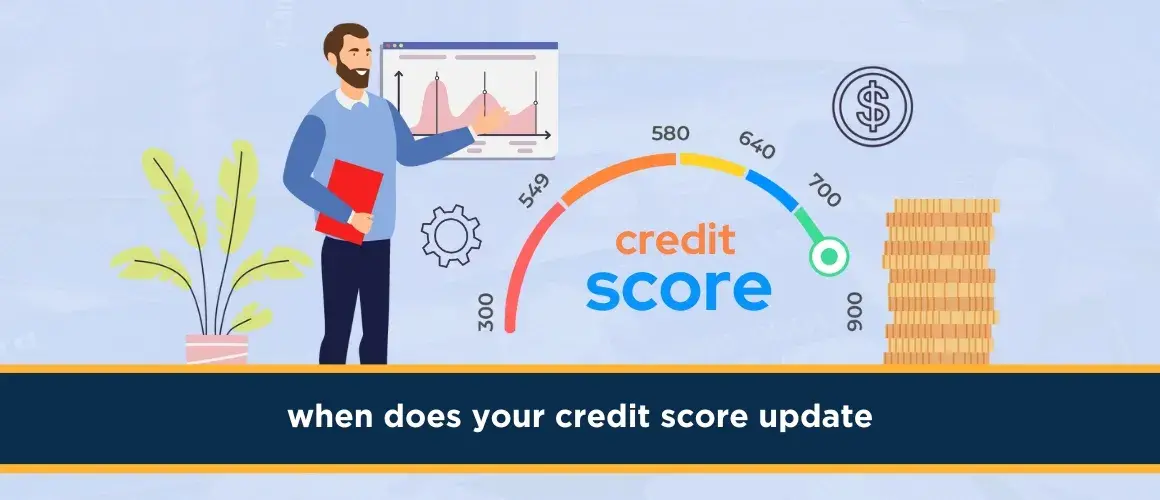
Many consumers worry that checking their credit score will negatively impact it. This guide clarifies the common misconception, explaining that most credit checks are harmless. We'll delve into the types of inquiries and how they truly affect your creditworthiness, empowering you with knowledge for better financial management in 2025.
Understanding Credit Inquiries: The Core Issue
The question "Why does checking your credit score lower it?" stems from a misunderstanding of how credit bureaus and lenders interact with your financial data. At its heart, the concern revolves around credit inquiries, which are records of when your credit report is accessed. When a lender or other entity requests to view your credit history, it generates an inquiry. The crucial detail is not the act of checking itself, but the *type* of check and the *reason* behind it. Understanding this distinction is paramount for anyone looking to maintain or improve their credit standing in the competitive financial landscape of 2025. The primary driver behind credit score fluctuations related to inquiries is the signal they send to lenders about your credit-seeking behavior. A sudden surge in inquiries, particularly of a certain type, can be interpreted as a sign of financial distress or increased risk, potentially leading to a dip in your score.
Credit bureaus, such as Equifax, Experian, and TransUnion, compile detailed credit reports for individuals. These reports contain a wealth of information, including your payment history, outstanding debts, credit utilization, length of credit history, and the types of credit you use. When you apply for new credit, such as a mortgage, car loan, or credit card, the lender will pull your credit report to assess your creditworthiness. This process is what generates an inquiry. The score itself is a numerical representation of the information on your credit report, designed to predict your likelihood of repaying borrowed money. Therefore, any action that alters the perception of your credit risk, even indirectly, can influence your score.
The fear of checking one's credit score is largely unfounded for the vast majority of personal credit checks. However, the nuances of these checks are critical. For instance, if you're shopping for the best interest rate on a car loan or a new credit card, you might be tempted to check your score repeatedly. While checking your own score is generally safe, applying for multiple new lines of credit in a short period can indeed have a minor, temporary negative impact. This is because each application for new credit typically results in a "hard inquiry" on your credit report. Lenders view a high number of hard inquiries in a short timeframe as a potential indicator that you are in financial difficulty and are seeking a large amount of credit, which increases their risk.
In 2025, the financial ecosystem is more interconnected than ever. Understanding how your credit score is perceived by lenders, employers, and even landlords is essential. This involves grasping the mechanics of credit inquiries, differentiating between the types, and recognizing their varying impacts. This comprehensive guide aims to demystify the process, providing clear, actionable insights into why checking your credit score might, under specific circumstances, lower it, and more importantly, how to check your credit responsibly without harming your score. We will explore the different types of credit checks, their implications, and best practices for maintaining optimal credit health.
Hard vs. Soft Inquiries: A Crucial Distinction
The fundamental answer to "Why does checking your credit score lower it?" lies in the difference between two types of credit inquiries: hard inquiries and soft inquiries. Understanding this distinction is the most critical step in comprehending how your credit score is affected. These terms are not arbitrary; they represent distinct actions that have different implications for your credit report and, consequently, your credit score.
Soft Inquiries: The Harmless Check
A soft inquiry, also known as a soft pull or soft credit check, occurs when your credit report is accessed for reasons other than a direct application for new credit. These checks do not impact your credit score in any way. They are essentially informational and are not visible to lenders who are reviewing your credit for a loan application. Common examples of soft inquiries include:
- Checking your own credit score or report through a credit monitoring service or directly from a credit bureau.
- Pre-qualification or pre-approval offers for credit cards or loans that you receive in the mail or see online. These are often based on a soft pull to see if you meet certain general criteria.
- Background checks conducted by potential employers (with your permission).
- Requests for your credit report by insurance companies for underwriting purposes.
- Requests for your credit report by landlords for tenant screening (though some may use hard pulls, this is less common for initial screening).
- Identity verification checks by companies you already do business with.
The key takeaway here is that when you proactively check your credit score to monitor your financial health or when a company checks your credit for marketing purposes or to offer you a pre-approved product, it's a soft inquiry. These actions are designed to provide you with information or assess your general eligibility without negatively affecting your creditworthiness. In 2025, with the proliferation of online tools and apps, checking your credit score has become more accessible than ever, and these readily available checks are almost exclusively soft inquiries.
Hard Inquiries: The Application Trigger
A hard inquiry, also known as a hard pull or hard credit check, occurs when a lender accesses your credit report because you have applied for new credit. This is a significant event because it signals to other lenders that you are actively seeking to borrow money. When you apply for a credit card, mortgage, auto loan, personal loan, or any other form of credit, the lender will perform a hard inquiry.
The reason behind this distinction is logical from a lender's perspective. If you apply for multiple credit cards or loans in a short period, it could suggest that you are experiencing financial difficulties or are attempting to take on a significant amount of debt, which increases the risk for the lender. Therefore, a hard inquiry typically results in a small, temporary drop in your credit score. The impact is usually minor, often only a few points, and the effect diminishes over time.
Comparison of Hard vs. Soft Inquiries:
| Feature | Soft Inquiry | Hard Inquiry |
|---|---|---|
| Impact on Credit Score | None | Small, temporary drop (usually a few points) |
| Visibility to Other Lenders | Not visible | Visible |
| Trigger | Checking your own credit, pre-qualifications, employment checks, landlord checks, identity verification. | Applying for new credit (credit cards, loans, mortgages, etc.). |
| Purpose | Informational, pre-screening, background checks. | Lender's assessment of creditworthiness for a specific application. |
In summary, the fear of checking your credit score lowering it is primarily associated with hard inquiries, which are a consequence of applying for new credit, not of simply viewing your score. Knowing this difference is key to managing your credit effectively.
Why Hard Inquiries Matter: The Impact on Your Score
Hard inquiries are the primary reason why "checking your credit score" can sometimes lower it. When you apply for new credit, the lender needs to assess your risk profile. This assessment involves pulling your credit report, which generates a hard inquiry. The impact of these inquiries on your credit score is generally modest and temporary, but understanding the nuances is crucial for maintaining a healthy credit profile in 2025.
The Scoring Model's Perspective
Credit scoring models, such as FICO and VantageScore, are designed to predict the likelihood of a borrower defaulting on their debts. A key factor in these models is "new credit" or "recent credit activity." A sudden increase in hard inquiries can signal to the scoring model that you are:
- In financial distress: You might be facing an emergency and need to borrow money quickly, which could indicate a higher risk.
- Seeking a large amount of credit: Applying for multiple loans or credit cards simultaneously might suggest you are overextending yourself.
- A new borrower: For individuals with limited credit history, a few hard inquiries might have a more noticeable impact than for those with a long, established credit record.
Therefore, a single hard inquiry typically results in a small, often unnoticeable, drop in your credit score. However, multiple hard inquiries within a short period can have a more pronounced effect. For instance, if you apply for five different credit cards in a single month, this could lead to a more significant score reduction than if you applied for just one.
The Timeframe of Impact
The negative impact of a hard inquiry on your credit score is not permanent. Most credit scoring models consider hard inquiries for a period of 12 months, although they remain on your credit report for two years. The score reduction associated with a hard inquiry typically lessens over time. After a few months, the impact becomes less significant, and after a year, it usually has minimal to no effect on your score.
Rate Shopping and Credit Scoring
A critical exception to the rule that multiple inquiries hurt your score relates to "rate shopping" for specific types of loans. Credit scoring models are designed to allow consumers to shop for the best rates on mortgages, auto loans, and student loans without being unduly penalized.
For these specific loan types, credit scoring agencies typically group inquiries made within a certain period (often 14 to 45 days, depending on the scoring model) as a single inquiry. This means you can apply to several lenders for a mortgage or auto loan within a short window, and it will generally only count as one hard inquiry against your score. This encourages consumers to find the most favorable terms.
However, this "rate shopping" grace period does not apply to credit cards or personal loans. Applying for multiple credit cards in a short timeframe will likely result in multiple hard inquiries, each potentially impacting your score.
Statistics for 2025:
According to recent analyses of credit scoring behavior in 2025, the average impact of a single hard inquiry on a FICO score is estimated to be around 5 points. For individuals with very high credit scores (e.g., 800+), the impact might be slightly more noticeable, while for those with lower scores, it might be less significant. The cumulative effect of multiple hard inquiries within a short span, outside of rate shopping windows for mortgages and auto loans, can lead to a score reduction of 10-20 points or more, depending on the individual's credit profile and the number of inquiries.
Mitigating the Impact of Hard Inquiries:
- Be mindful of applications: Only apply for credit when you genuinely need it.
- Understand rate shopping windows: For mortgages, auto loans, and student loans, consolidate your applications within a 14-45 day period.
- Space out credit card applications: Avoid applying for multiple credit cards in quick succession.
- Check your credit report regularly: Monitor your credit report for any unauthorized hard inquiries, which could indicate identity theft. You can get free copies of your credit reports from AnnualCreditReport.com.
In essence, while hard inquiries are a necessary part of the credit application process, their impact is manageable through informed decision-making and responsible credit-seeking behavior. The key is to distinguish these from the harmless soft inquiries.
How Often is Too Often? Navigating Inquiry Limits
The question of "how often is too often" when it comes to credit inquiries is directly related to the impact of hard inquiries on your credit score. While a few hard inquiries over a year are unlikely to cause significant damage, a pattern of frequent applications for new credit can indeed lower your score. Understanding the thresholds and the reasoning behind them is crucial for maintaining optimal credit health in 2025.
The General Rule of Thumb
There isn't a strict, universally defined limit on the number of inquiries you can have before your score drops dramatically. However, credit scoring models are designed to penalize excessive new credit applications. A common guideline suggests that having more than 3-5 hard inquiries on your credit report within a 12-month period could start to negatively affect your score. The exact number varies based on the individual's credit history, the scoring model used, and the specific circumstances.
The Significance of "New Credit" in Scoring Models
The "new credit" or "recent credit activity" category typically accounts for about 10% of your FICO score. This category considers the number of recently opened accounts, the number of credit inquiries, and the time since you last opened an account or applied for credit. A high number of recent inquiries signals to the model that you might be taking on more debt than you can handle, increasing the risk of default.
Rate Shopping Windows: A Deeper Dive
As mentioned earlier, credit scoring models are more forgiving for specific types of loans:
- Mortgage Inquiries: Typically, inquiries made within a 14-day to 45-day period for a mortgage are treated as a single inquiry. This allows you to shop around for the best interest rate without being penalized for each application.
- Auto Loan Inquiries: Similar to mortgages, inquiries for auto loans within a 14-day to 45-day period are usually consolidated into one.
- Student Loan Inquiries: The same principle applies to student loan applications.
It's important to note that the exact window for rate shopping can vary slightly between different scoring models (e.g., FICO Score 8 vs. FICO Score 9 vs. VantageScore). For example, FICO Score 8 uses a 14-day window, while FICO Score 9 uses a 45-day window. However, for practical purposes, consolidating your applications for these loan types within a month is generally a safe bet.
Credit Cards and Personal Loans: No Grace Period
Crucially, the rate-shopping grace period does *not* apply to credit card or personal loan applications. Each application for these types of credit will typically result in a separate hard inquiry. Therefore, applying for multiple credit cards in a short period is a common reason why individuals might see their credit score drop.
Example Scenario for 2025:
Imagine Sarah is looking to buy a new car in mid-2025. She visits three different dealerships over two weeks and applies for financing at each. Because these are auto loan inquiries, her credit scoring model will likely treat these three inquiries as a single event for scoring purposes. This allows her to compare offers from different lenders without her score being significantly impacted by her shopping efforts.
In contrast, if Sarah also applies for two new credit cards within the same month, these applications will each generate a separate hard inquiry. If she has other recent inquiries, this could lead to a noticeable dip in her credit score.
What Constitutes "Too Often"?
* For Mortgages, Auto Loans, Student Loans: Applying for multiple loans of the same type within a 14-45 day window is generally acceptable and treated as one inquiry. * For Credit Cards and Personal Loans: Applying for more than 1-2 new credit cards or personal loans within a 6-12 month period might be considered "too often" by credit scoring models, potentially leading to a score decrease.
Monitoring Your Inquiries
You can track your hard inquiries by reviewing your credit reports from Equifax, Experian, and TransUnion. These reports will list all inquiries, including the date, the creditor's name, and whether it was a hard or soft inquiry. You can obtain free copies of your credit reports annually from AnnualCreditReport.com.
By understanding these nuances, you can navigate the credit application process more strategically, minimizing the negative impact of inquiries and ensuring that "checking your credit score" remains a safe activity for monitoring your financial health.
Checking Your Own Score: The Safe and Smart Approach
One of the most persistent myths is that simply checking your own credit score will lower it. This is overwhelmingly false. The vast majority of times you check your credit score yourself, it's a "soft inquiry," which, as we've established, has absolutely no impact on your credit score. Understanding how to check your score safely and effectively is a cornerstone of good financial management in 2025.
The Power of Soft Inquiries
When you use a credit monitoring service, a banking app that offers credit score tracking, or visit a website dedicated to credit health, you are initiating a soft inquiry. These services are designed to provide you with valuable insights into your credit standing without any negative consequences. They allow you to:
- Monitor your progress: See how your credit score changes over time as you manage your finances.
- Identify potential errors: Spot inaccuracies on your credit report that could be harming your score.
- Stay informed: Understand your creditworthiness before applying for new credit.
- Detect fraud: Quickly identify unauthorized activity that might indicate identity theft.
Where to Safely Check Your Credit Score
Several reputable sources allow you to check your credit score without harming it:
- Credit Monitoring Services: Many credit card companies and banks offer free credit score monitoring as a benefit to their customers. Services like Credit Karma, Credit Sesame, and others also provide free access to your score and credit report details (though they may use advertising for credit products).
- Your Bank or Credit Card Issuer: Many financial institutions integrate credit score access directly into their online banking portals or mobile apps. This is often a FICO Score or VantageScore, and it's always a soft inquiry.
- AnnualCreditReport.com: While this website primarily provides access to your full credit reports (which are crucial for detailed review), some of the bureaus may offer score access as well. It's important to note that the scores provided here might differ from those used by specific lenders.
- Directly from Credit Bureaus: You can often purchase your credit score directly from Equifax, Experian, or TransUnion. While this is a direct transaction, it still generates a soft inquiry.
The "Why" Behind the Soft Inquiry
These services perform soft inquiries because their purpose is to provide you with information. They are not evaluating you for a specific loan product. For example, when you check your score on your credit card app, the issuer is providing you with a snapshot of your credit health, often using a score they have access to, but they are not making a lending decision based on that specific check.
Distinguishing from Hard Inquiries
The key difference lies in the *intent* and the *action*.
- Checking your own score: You are the one initiating the check for informational purposes. This is a soft inquiry.
- Applying for a loan/credit card: A lender is initiating the check because you have formally requested credit. This is a hard inquiry.
Example Scenario for 2025:
Maria wants to buy a new laptop on an installment plan offered by the electronics store. Before applying, she checks her credit score through her bank's mobile app. This is a soft inquiry and doesn't affect her score. She sees her score is 720. She then applies for the installment plan. The store's financing partner performs a hard inquiry to assess her creditworthiness for the loan. This hard inquiry will have a minor, temporary impact on her score. Maria's proactive check allowed her to gauge her chances and understand her credit standing before the application.
Best Practices for Checking Your Score:
- Check Regularly: Aim to check your credit score and report at least once every 3-6 months, and especially before making any significant financial decisions like applying for a mortgage or car loan.
- Use Reputable Sources: Stick to well-known financial institutions and credit monitoring services.
- Understand the Score Provided: Be aware that different services may provide different versions of your score (e.g., FICO vs. VantageScore, or different FICO versions). While they are generally correlated, they might not be identical to the score a specific lender uses.
- Focus on Trends: Pay more attention to the overall trend of your score and the factors influencing it, rather than obsessing over minor daily fluctuations.
In conclusion, checking your own credit score is not only safe but highly recommended. It's a powerful tool for financial empowerment. The fear of lowering your score by checking it yourself is a myth that should be dispelled. Focus on understanding the difference between soft and hard inquiries to manage your credit effectively.
Credit Monitoring Services and Their Inquiry Practices
Credit monitoring services play a vital role in helping consumers stay informed about their credit health. A common concern is whether these services themselves generate harmful inquiries. The good news for 2025 is that reputable credit monitoring services overwhelmingly utilize soft inquiries, making them a safe tool for tracking your credit. Understanding their practices ensures you can leverage these services without fear.
How Credit Monitoring Services Work
These services typically partner with one or more of the major credit bureaus (Equifax, Experian, TransUnion) or use data aggregators to access your credit information. When you sign up, they perform an initial check to establish your baseline credit profile. Subsequently, they regularly pull your credit information (often monthly or weekly) to update your score and report.
The Inquiry Type: Almost Always Soft
For your protection and to avoid negatively impacting your credit score, these routine updates are conducted as soft inquiries. This means that when a credit monitoring service checks your credit to provide you with your score and alerts, it does not appear on your credit report as a hard inquiry and has zero effect on your credit score.
Why They Use Soft Inquiries
- User Benefit: The primary goal of these services is to provide consumers with information and tools to improve their credit. Generating hard inquiries would directly contradict this mission by potentially harming the user's score.
- Business Model: Most credit monitoring services operate on a freemium model or subscription basis. Their value proposition is in providing ongoing, safe access to credit information.
- Industry Standards: The financial industry has largely standardized on soft inquiries for these informational purposes.
What to Look For in a Credit Monitoring Service
When choosing a credit monitoring service in 2025, consider the following:
- Inquiry Type: Ensure the service explicitly states they use soft inquiries for ongoing monitoring. Reputable services will be transparent about this.
- What They Monitor: Look for services that track your credit score (and which scoring model they use), credit report changes (new accounts, inquiries, public records), and provide alerts for significant activity.
- Cost: Many excellent services offer free tiers that provide valuable insights. Paid services often offer more comprehensive features, such as identity theft insurance or advanced monitoring.
- Data Security: Ensure the service employs robust security measures to protect your sensitive financial data.
- Transparency: Understand how they make money. Free services often generate revenue through partnerships and offers for credit products, which you are under no obligation to accept.
Examples of Reputable Services (using soft inquiries):
- Credit Karma: Offers free credit scores and reports from TransUnion and Equifax, along with personalized insights.
- Credit Sesame: Provides free credit scores and monitoring, along with personalized recommendations.
- Your Bank/Credit Card Issuer: Many major banks (e.g., Chase, Bank of America, Wells Fargo) and credit card companies (e.g., American Express, Capital One) offer free credit score access through their online platforms or apps.
- Experian Boost: While Experian Boost itself is a feature to potentially improve your Experian score, Experian's monitoring services also use soft pulls.
Potential Pitfalls to Be Aware Of
While the monitoring itself is safe, be cautious of:
- Initial Application: The very first time you sign up for a service, they might perform a soft inquiry to establish your identity and credit profile. This is normal and harmless.
- Offers and Recommendations: Free services often present you with offers for credit cards or loans based on your credit profile. Accepting these offers will lead to a hard inquiry by the *new* lender, not by the monitoring service itself. You are in control of whether to pursue these offers.
- Misunderstandings: Some users might confuse the monitoring service's soft pull with a hard inquiry, especially if they are simultaneously applying for credit elsewhere.
In Summary
Credit monitoring services are invaluable tools for staying on top of your credit health in 2025. They operate by using soft inquiries, meaning your regular score checks through these platforms will never lower your credit score. By understanding their practices and choosing reputable providers, you can confidently use these services to monitor your credit, detect potential issues, and make informed financial decisions. The key is to remember that the act of checking your score for informational purposes is distinct from applying for new credit.
Credit Score Factors Beyond Inquiries: A Holistic View
While the impact of credit inquiries is a significant part of the discussion around "Why does checking your credit score lower it?", it's crucial to understand that inquiries represent only a small fraction of what determines your credit score. In 2025, a comprehensive understanding of all credit score factors is essential for effective financial management. Focusing solely on inquiries without addressing other key areas will limit your ability to build and maintain excellent credit.
Credit scoring models, such as FICO and VantageScore, are complex algorithms that analyze various aspects of your credit history. While the exact weightings can vary slightly between models and versions, the core factors remain consistent.
The Main Pillars of Your Credit Score:
Understanding these factors will provide context for why inquiries, even hard ones, have a limited impact compared to other behaviors.
- Payment History (Approximately 35% of FICO Score): This is the most critical factor. It reflects whether you pay your bills on time. Late payments, missed payments, defaults, bankruptcies, and collections have a severe negative impact on your score. Consistently paying bills on time is the single most important action you can take to build a good credit score.
- Amounts Owed / Credit Utilization (Approximately 30% of FICO Score): This factor looks at how much credit you are using compared to your total available credit. This is often referred to as your credit utilization ratio. Keeping this ratio low, ideally below 30% and even better below 10%, is crucial. High utilization signals to lenders that you might be overextended.
- Length of Credit History (Approximately 15% of FICO Score): This factor considers the age of your oldest credit account, the age of your newest credit account, and the average age of all your accounts. A longer credit history generally indicates more experience managing credit, which is favorable.
- Credit Mix (Approximately 10% of FICO Score): This factor looks at the different types of credit you have (e.g., credit cards, installment loans like mortgages or auto loans, retail accounts). Having a mix of credit types can be beneficial, as it shows you can manage various forms of debt responsibly. However, this is a less impactful factor, and it's not advisable to open new accounts solely to diversify your credit mix.
- New Credit / Inquiries (Approximately 10% of FICO Score): This is where credit inquiries, both hard and soft, play a role. As discussed, hard inquiries from applying for new credit can have a small, temporary negative impact, especially if there are many in a short period. This category also considers the number of recently opened accounts.
Why Inquiries Have Limited Impact
Given that "New Credit" and "Inquiries" account for only about 10% of your FICO score, the impact of a few hard inquiries is relatively minor compared to issues with payment history or credit utilization. A single hard inquiry might shave off a few points, but it's unlikely to cause a drastic drop unless your credit profile is already fragile or you have many inquiries in a short time.
Example Scenario for 2025:
Consider two individuals, both with excellent payment histories and low credit utilization.
- Person A applies for a new car loan, resulting in one hard inquiry. Their score might dip by 2-5 points temporarily.
- Person B applies for three new credit cards within a month, resulting in three hard inquiries, and also has a high credit utilization ratio (e.g., 80%). Their score will likely drop significantly, not just because of the inquiries, but primarily due to the high credit utilization and the signal of increased risk from multiple new accounts.
This illustrates that while inquiries matter, they are part of a larger picture. A strong foundation in payment history and credit utilization will buffer the impact of occasional hard inquiries.
Focusing on the Big Picture in 2025
To truly improve and maintain your credit score, prioritize the factors with the highest impact:
- Pay all bills on time, every time. Set up auto-pay or reminders to ensure you never miss a due date.
- Keep credit utilization low. Aim to use less than 30% of your available credit on each card and overall. Pay down balances strategically.
- Avoid unnecessary applications for new credit. Only apply when you truly need it, and be mindful of the rate-shopping windows for mortgages and auto loans.
- Build a long credit history. Keep older, well-managed accounts open, even if you don't use them frequently.
By understanding that inquiries are just one piece of the credit puzzle, you can approach credit management with a more balanced perspective. The fear of "checking your credit score" lowering it is largely misplaced when referring to personal checks, and even the impact of necessary hard inquiries is manageable when other credit factors are strong.
Real-World Scenarios and Examples
To solidify the understanding of why checking your credit score may or may not lower it, let's explore some real-world scenarios relevant to 2025. These examples will illustrate the practical application of the concepts of hard and soft inquiries and their impact.
Scenario 1: The Proactive Homebuyer
Who: David, planning to buy a house in late 2025.
Action: David wants to know his credit standing before approaching lenders. He uses his bank's mobile app to check his credit score weekly. He also signs up for a free credit monitoring service that provides monthly updates.
Inquiries: All of David's self-checks are soft inquiries. They do not appear on his credit report and have no impact on his score.
Outcome: David's credit score remains unaffected by his diligent monitoring. He gains confidence in his creditworthiness and can approach mortgage lenders with a clear understanding of his financial position. When he applies for a mortgage, the lender will perform a hard inquiry, but because this is a rate-shopping scenario for a mortgage, multiple inquiries within a 14-45 day period will be treated as one.
Scenario 2: The Credit Card Shopper
Who: Emily, looking for a new rewards credit card in mid-2025.
Action: Emily sees several advertisements for credit cards offering attractive sign-up bonuses. Over a two-week period, she applies for three different rewards credit cards from three different issuers.
Inquiries: Each of Emily's credit card applications triggers a hard inquiry on her credit report. Since credit card applications do not benefit from the rate-shopping grace period, these will be counted as three separate hard inquiries.
Outcome: Emily's credit score will likely experience a small, temporary decrease due to these three hard inquiries. If her credit utilization was already high, or if she had other recent inquiries, the impact could be more pronounced. She might see a drop of 5-15 points. The benefit of the rewards might outweigh this minor score reduction for her, but it's a trade-off she made.
Scenario 3: The Car Buyer Seeking the Best Rate
Who: Michael, purchasing a car in early 2025.
Action: Michael applies for an auto loan at his local credit union. He then visits two other dealerships and applies for financing through their preferred lenders. He does this within a 10-day span.
Inquiries: The credit union and the two dealerships each perform a hard inquiry. However, because these are all auto loan applications submitted within a short timeframe (10 days), the credit scoring models will likely treat these three inquiries as a single inquiry for scoring purposes.
Outcome: Michael's credit score will experience minimal to no negative impact from these inquiries due to the rate-shopping provision for auto loans. This allows him to effectively compare loan offers and secure the best interest rate without penalty.
Scenario 4: The Concerned Consumer with Identity Theft Fears
Who: Jessica, who received an alert from her credit monitoring service about a new account opened in her name.
Action: Jessica immediately checks her credit report through AnnualCreditReport.com. She notices a hard inquiry from a credit card company she doesn't recognize, followed by the opening of a new account.
Inquiries: The inquiry from the unknown credit card company is a hard inquiry, indicating a fraudulent application.
Outcome: While this inquiry is a hard one, Jessica's proactive monitoring allowed her to detect it quickly. She can now dispute the fraudulent account and inquiry with the credit bureau and the credit card company. While the inquiry itself might temporarily lower her score, her swift action is crucial to mitigating further damage and recovering from identity theft. The monitoring service's soft pulls allowed her to catch this issue.
Scenario 5: The College Student Managing Student Loans
Who: Alex, a college student in 2025 applying for a federal student loan and exploring private loan options.
Action: Alex completes the FAFSA and is approved for federal student loans. He then explores private loan options from two different banks to cover the remaining costs. He applies for these private loans within a week.
Inquiries: The federal student loan process typically involves soft inquiries or no inquiries impacting credit. The applications for private student loans will each result in a hard inquiry.
Outcome: Similar to mortgages and auto loans, credit scoring models often group inquiries for student loans within a specific window (usually 14-45 days) as a single inquiry. Therefore, Alex's score should not be significantly impacted by these applications, allowing him to secure the necessary funding for his education.
These scenarios highlight that the impact of checking your credit score depends entirely on the *type* of check and the *context*. Self-checks are safe. Applications for credit are not, but their impact is often manageable and sometimes even intentionally mitigated by scoring models for specific loan types.
Maximizing Your Credit Health in 2025
Understanding why checking your credit score might lower it is only the first step. The ultimate goal is to maximize your credit health for a secure financial future in 2025 and beyond. This involves a proactive, informed approach that goes beyond simply avoiding negative inquiries. It's about building a robust credit profile that opens doors to better financial opportunities.
Key Strategies for Optimal Credit Health:
- Consistent On-Time Payments: This cannot be overstated. Make it your absolute priority to pay all your bills by their due date. For credit cards, even paying the minimum on time is better than missing a payment, though paying the full balance is ideal to avoid interest. Setting up automatic payments can be a lifesaver.
- Maintain Low Credit Utilization: Aim to keep your credit utilization ratio below 30% on each credit card and overall. Ideally, strive for under 10%. This means if you have a credit card with a $10,000 limit, try to keep your balance below $3,000, and even better, below $1,000. High utilization suggests you are heavily reliant on credit, which lenders view as a risk.
- Monitor Your Credit Regularly: Use the safe methods discussed (credit monitoring services, bank apps) to check your score and review your credit reports at least quarterly. This helps you catch errors, fraud, and track your progress. Remember, these checks are soft inquiries and do not harm your score.
- Be Strategic with New Credit Applications: Only apply for credit when you genuinely need it. If you are shopping for a mortgage, auto loan, or student loan, do so within a concentrated period to benefit from rate-shopping provisions. Avoid applying for multiple credit cards in quick succession.
- Build a Long Credit History: Keep older credit accounts open and in good standing, especially if they have no annual fee. The age of your credit history contributes positively to your score.
- Diversify Your Credit Mix (Cautiously): While not a primary focus, having a mix of credit types (e.g., credit cards and installment loans) can be beneficial. However, do not open new accounts solely for the purpose of diversifying your mix if you don't need them.
- Dispute Errors Promptly: If you find any inaccuracies on your credit report (e.g., incorrect late payments, accounts you don't recognize), dispute them immediately with the credit bureaus.
- Understand Your Credit Score: Familiarize yourself with the scoring model your lenders typically use (e.g., FICO 8, VantageScore 4.0). Different models may weigh factors slightly differently.
The Long-Term Benefits of Good Credit:
Maintaining excellent credit health in 2025 offers significant advantages:
- Lower Interest Rates: You'll qualify for lower interest rates on mortgages, auto loans, personal loans, and credit cards, saving you thousands of dollars over time.
- Easier Loan Approvals: Lenders are more likely to approve your applications for credit.
- Better Insurance Rates: In many states, your credit-based insurance score can affect your premiums for auto and homeowners insurance.
- Rental Opportunities: Landlords often check credit reports, and a good score can make it easier to secure rental housing.
- Employment Opportunities: Some employers conduct credit checks as part of the hiring process, particularly for positions involving financial responsibility.
- Lower Security Deposits: Utility companies and mobile phone providers may require smaller security deposits or none at all for customers with good credit.
Final Thoughts for 2025
The misconception that checking your credit score lowers it is a common one, but it's rooted in a misunderstanding of hard versus soft inquiries. By diligently checking your score through safe, soft inquiry methods, you empower yourself with knowledge. The true impact on your score comes from applying for new credit (hard inquiries), and even then, the effects are manageable and often temporary, especially when done strategically. Focus on the foundational elements of credit management – timely payments and low utilization – and you'll build a credit profile that serves you well in the evolving financial landscape of 2025.
Conclusion:
The fear that checking your credit score will lower it is largely unfounded for most personal credit checks. The distinction between harmless soft inquiries (when you check your own score) and impactful hard inquiries (when you apply for new credit) is paramount. While multiple hard inquiries in a short period can indeed cause a temporary dip, they represent only a small portion of your overall credit score. By prioritizing on-time payments, maintaining low credit utilization, and using credit monitoring services that employ soft inquiries, you can confidently manage your credit health. In 2025, empowered with this knowledge, you can make informed decisions that lead to better financial opportunities and a stronger credit future.
Related Stories

Recent Posts
Does Closing a Checking Account Affect Your Credit Score? Here’s the Truth
Is a Home Equity Loan a Second Mortgage? The Definitive 2025 Guide
Which Credit Score is Most Accurate? FICO vs VantageScore
Does Closing a Checking Account Affect Credit Score? – Complete Guide for Consumers
Credit Captain Reviews (2025): Is It Legit, Safe, and Worth It?